Published: May 09, 2025
Asking the Right Questions (ARQ) on green AI
Executive summary
This article explores the potential for making the growing adoption of AI sustainable through the implementation of green AI's three key strategies. We will discuss the concept of green AI, with a focus on optimising energy consumption, emissions, and resource usage. The article delves into strategies such as greening systems, greening data, and greening intelligence while highlighting barriers that could slow the widespread adoption of green AI. Additionally, we will examine green AI's immense potential for enabling responsible innovation across industries and the crucial role it can play in advancing sustainability amid the far-reaching implications of AI technology.
Introduction
The second digital and fourth industrial revolutions have driven an innovation culture that has fuelled numerous technological developments and breakthroughs[1]-[2]. Among these advancements, the field of artificial intelligence (AI) has experienced remarkable exponential growth over the last 8 to 10 years[3]-[4]. Today, AI is an in-trend, disruptive technology with countless applications and even more prospects for all industry sectors and areas of life, ranging from health to agriculture, engineering to finance, gaming to transportation, and beyond[5].
Due to rapid digitalisation and the rising use of technologies like AI, cloud computing, and big data, the need for Information and Communications Technology (ICT) infrastructure and computational resources is rapidly expanding. Current estimates show that the ICT sector contributes to approximately 4% of global CO2 emissions[6]. By 2040, and projections indicate that the ICT carbon footprint could reach 14%, with data centres contributing to almost half of this growth[6].
The increasing reliance on AI technologies has resulted in traditional AI models consuming large amounts of energy and, consequently, contributing to increased carbon emissions that exacerbate climate change. To address this issue, the Infocomm Media Development Authority (IMDA) and the Government Technology Agency (GovTech) of Singapore recently unveiled a SG$30m Green Computing Funding Initiative (GCFI) that aims to promote sustainable practices and the efficient use of computing resources in the tech sector[7]. Considering the pressing environmental challenges, the concept of green AI has emerged as a compelling response to balance the need for AI-driven progress with ecological sustainability.
Green AI looks to reshape the development and deployment of AI technologies by focusing on energy efficiency, reduced carbon emissions, and the responsible use of computational resources. By adhering to these principles, organisations that adopt green AI aim to minimise the environmental impact of AI technologies while maintaining their ability to drive progress across various domains.
In this article, we will explore the relevance of green AI in today's world and examine its potential applications, benefits, and challenges. We will discuss how green AI offers effective resolutions to the critical issues faced by traditional AI models and propose ways in which stakeholders can collaborate to promote a greener and more sustainable AI-driven future. This exploration will highlight the importance of embracing green AI to ensure that the remarkable advancements in AI technology are not only transforming industries and sectors, but also contributing to a more environmentally friendly future.
How has the growth of AI models affected the environment and electricity demand?
Advances in computation, including those in hardware, software, and algorithms, have enabled scientific research to progress at unprecedented rates. Machine learning permeates many aspects of society, including economic and social interactions[8-11]. In 2020 alone, almost 9 billion compute hours have been used for scientific computing[12], a pace of 24 million hours per day. Yet, the costs associated with large-scale computation are not being fully captured.
Machine learning (ML) models have grown exponentially in size over the past few years[13], with some algorithms training for thousands of core-hours, and the energy consumption and costs required for ML training have become growing concerns[14]. Traditional AI models, such as deep learning algorithms, rely heavily on complex neural networks that require vast amounts of data for training and learning. These models demand substantial computational power, which in turn consumes large amounts of energy[15]. In natural language processing (NLP), Strubell et al. [16]found that designing and training translation engines can emit between 0.6 and 280 tonnes of CO2. While not all NLP algorithms require frequent retraining, algorithms in some fields are retrained daily or weekly, multiplying their energy consumption. As these models grow in both size and complexity, the demand for servers to process the models will grow exponentially (Figure 1)[16].
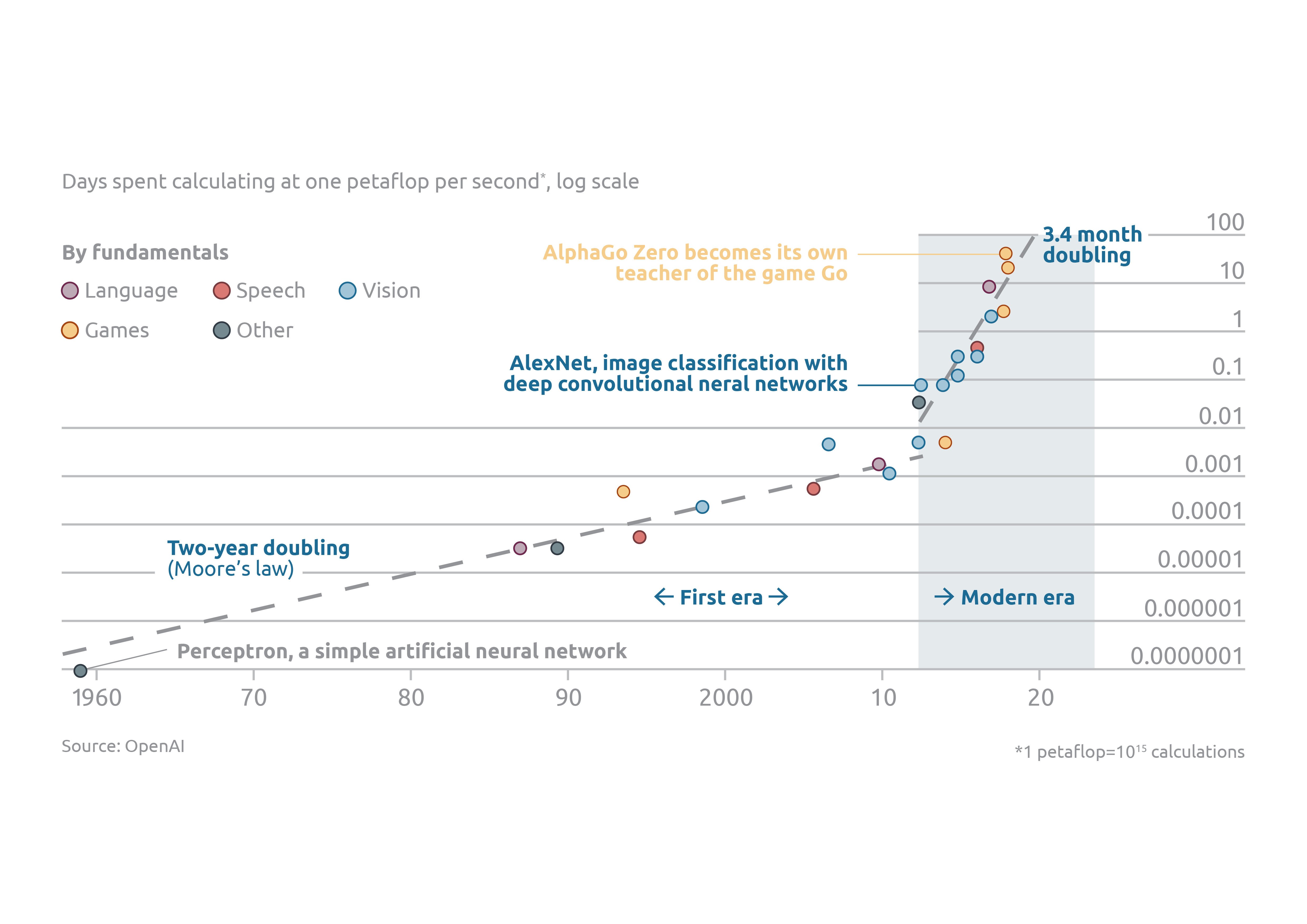
Figure 1. Computing power used in training AI systems17.
The compute power used for training AI systems has exponentially increased in the era of deep learning[17]. The exact total energy required for a single AI model is difficult to estimate as it must include the energy used to manufacture the computing equipment, create the model, and use the model in production. Researchers estimated that developing a generative AI model named BERT, which consisted of 110 million parameters, “consumed energy equivalent to that of a round-trip transcontinental flight for a single individual”[18]. The training of GPT-3, which has 175 billion parameters, required 1,287 megawatts hours of electricity, which equates to 552 tons of carbon dioxide, equivalent of 123 gasoline-powered passenger vehicles driven for one year[19]. That energy was just for getting the model ready to launch before any consumers started using it. The future development of larger models will substantially increase energy consumption and has raised concerns about the environmental impact of AI advancements.
To estimate the carbon footprint of nearly any computational task in a standardised and reliable way, Green Algorithms (www.green-algorithms.org; Figure 2), a generalisable framework and a freely available online tool, has been developed[20]. This tool allows users to evaluate their computations or estimate the carbon savings or costs of redeploying them on other architectures.
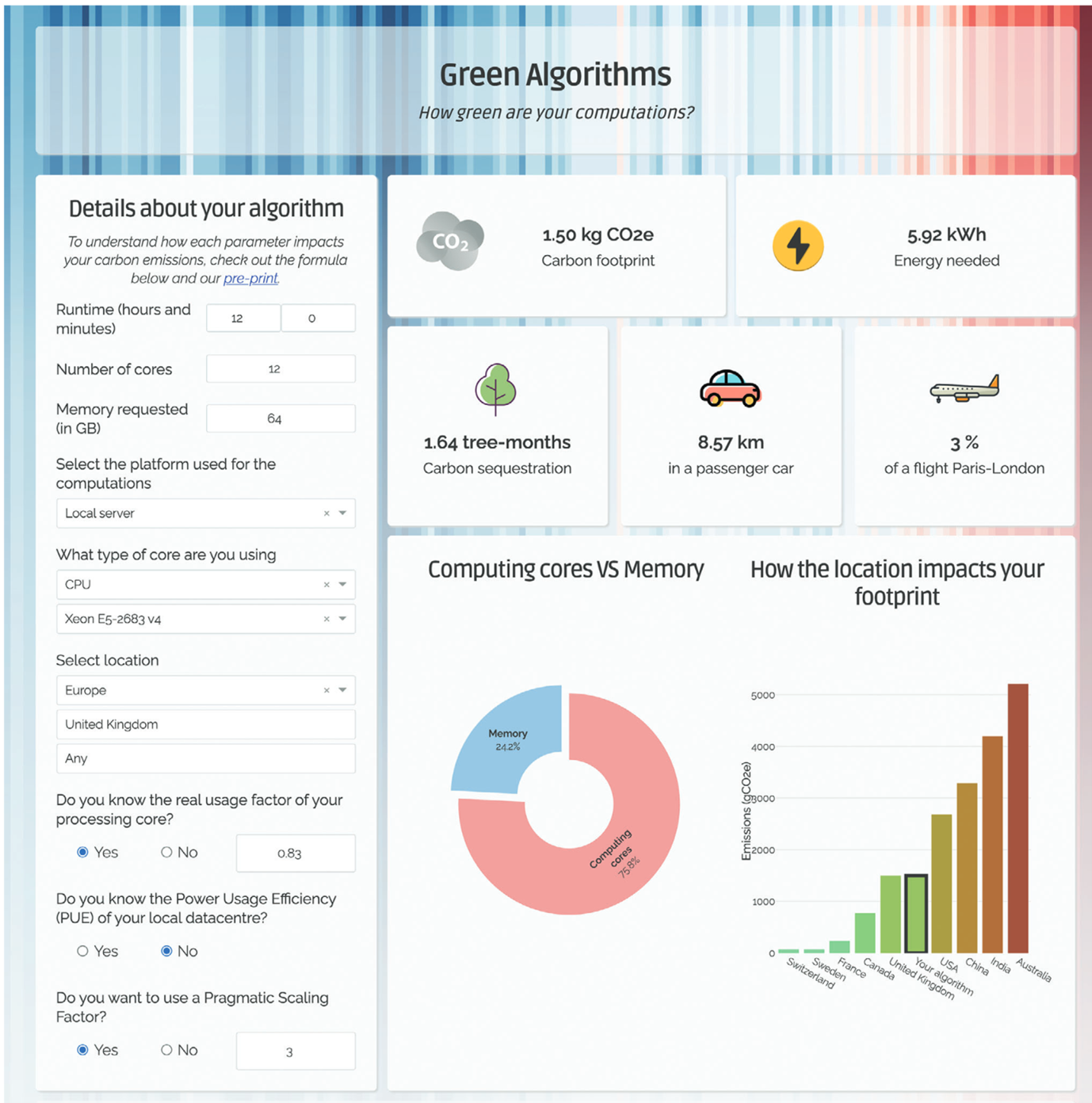
Figure 2. The Green Algorithms calculator (www.green-algorithms.org).
The growing demand for AI-based applications, and the exponential growth in the use of computational resources due to AI advancements, has resulted in data centres accounting for an increasingly significant portion of global electricity consumption. As these data centres consume power, they generate heat which leads to additional energy consumption for cooling systems to prevent overheating. This vicious cycle contributes to an escalating energy demand that poses considerable challenges to both the environment and the power grid infrastructure. Widely cited forecasts suggest that the total electricity demand by the ICT industry will accelerate throughout the 2020s and that the percentage consumed by data centres will increase (Figure 3)[21].
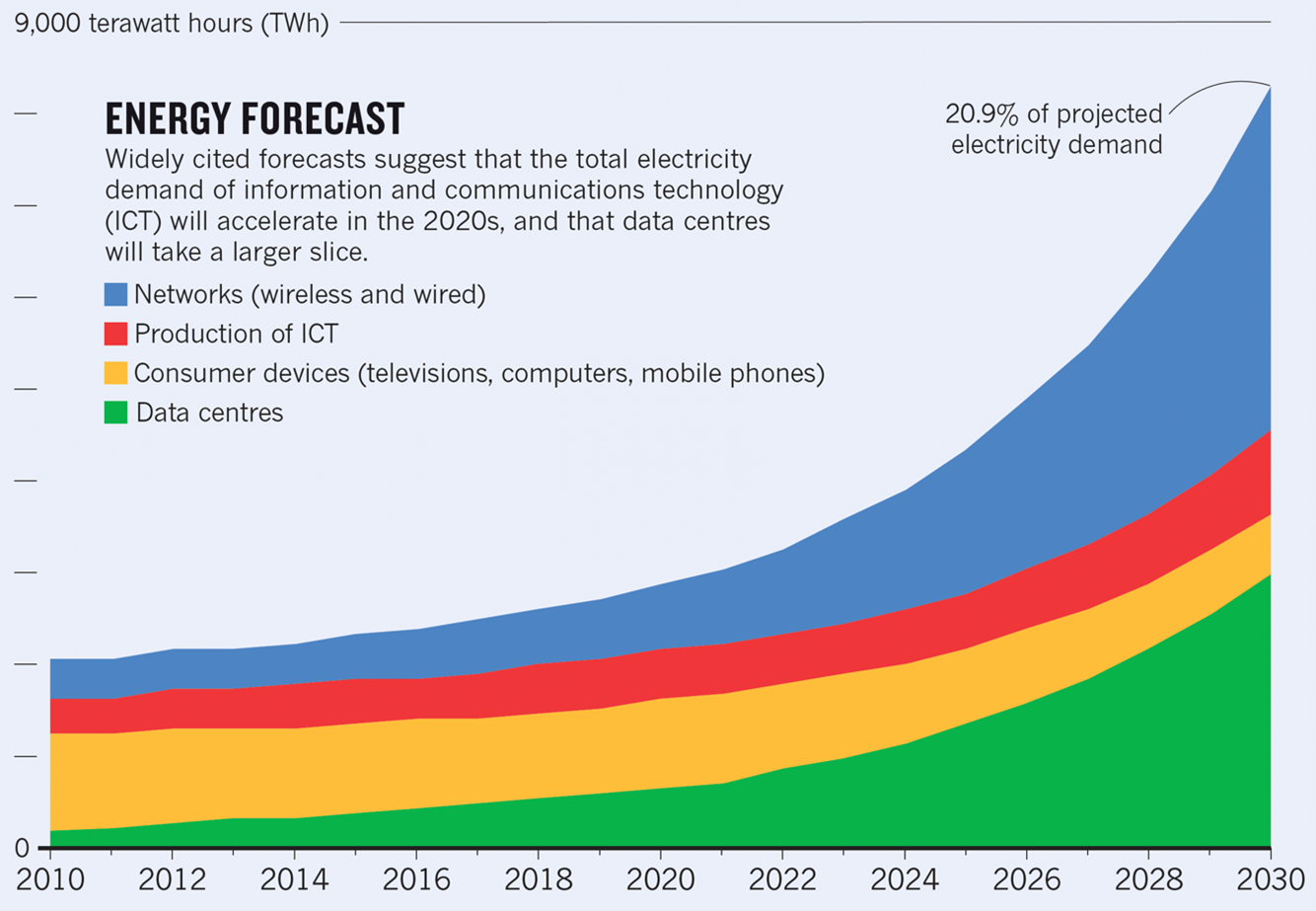
Figure 3. The forecast of electricity demand of ICT.
Figure 3 is an “expected case” projection by Anders Andrae, a specialist in sustainability ICT. Under his ‘best case’ scenario, ICT energy demand grows to just 8% of total electricity demand by 2039, rather than to 21% [21].
What environment challenges arise from AI and how can green AI help to mitigate those challenges?
The excessive energy consumption of traditional AI models leads to a series of environmental challenges, with carbon emissions being the most prominent. As most AI-powered data centres rely on energy generated by burning fossil fuels, they contribute to a higher carbon footprint and exacerbate global warming and climate change.
Moreover, the environmental impact of AI is not limited to energy consumption alone. The production and disposal of the hardware needed for AI models, including GPUs, CPUs, and other electronic components, generates significant electronic waste (e-waste). The improper handling of e-waste can result in the release of hazardous materials into the environment, leading to soil, water, and air pollution, which in turn can have severe consequences on human health and ecosystems.
These environmental challenges posed by AI necessitate the development of more sustainable AI technologies. Green AI aims to address these concerns by minimising the environmental impact of AI models while maintaining their potential to drive progress and innovation in various fields. By exploring and adopting green AI principles, stakeholders can promote a more sustainable and environmentally conscious future, ensuring that AI-driven advancements do not come at the expense of the planet's well-being.
What is green AI?
Green AI refers to the development and deployment of artificial intelligence technologies that prioritise environmental sustainability, energy efficiency, and reduced carbon emissions. The primary principles of green AI involve designing algorithms, models, and hardware that minimise energy consumption, harness renewable energy sources, and lower the environmental impact of AI applications throughout their lifecycles.
Green AI involves integrating energy efficiency and carbon emission reduction into every facet of AI development and deployment. It consists of making environmentally conscious decisions at every stage, from data acquisition to processing, model training, deployment, and monitoring. The goal is for green AI to become synonymous with AI, where energy efficiency, carbon emission reduction, and responsible resource utilisation are intrinsic to all AI projects.
What are the key strategies of green AI?
To successfully address the environmental challenges associated with AI technology, green AI can be divided into three key strategies that target different aspects of AI's impact. These strategies ensure a more comprehensive and effective approach to achieving a sustainable and responsible AI-driven future (Figure 4).
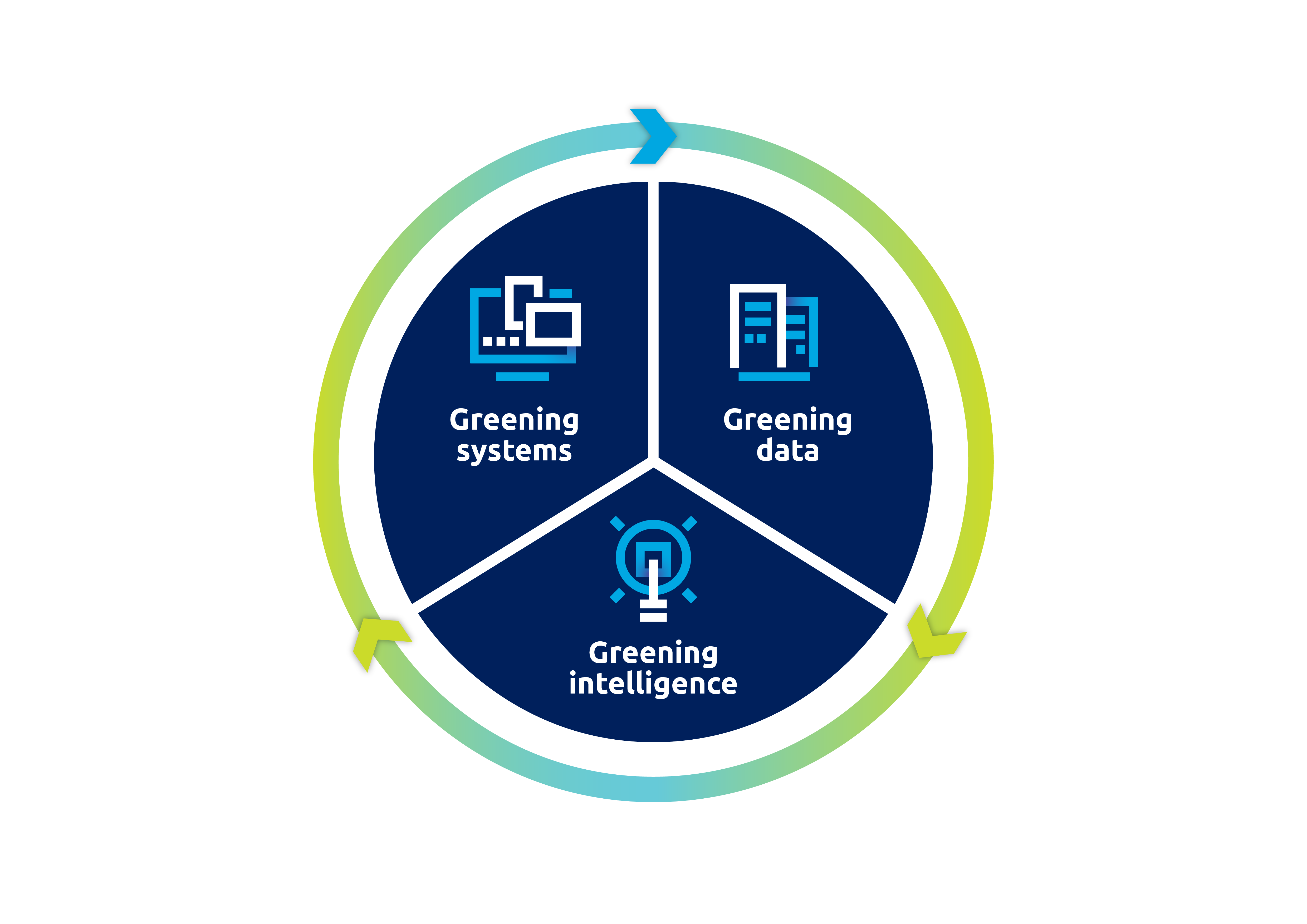
Figure 4. Key strategies of green AI
1. Greening systems
Greening systems involves implementing environmentally friendly practices in the design, manufacture, and operation of ICT, including hardware (Cloud/Data centres, end user devices) and software. The goal is to minimise energy consumption and waste by optimising both hardware and software components for environmental sustainability. This includes:
- Designing energy-efficient hardware that consumes less power and has a longer lifespan.
- Incorporating environmentally friendly materials in manufacturing processes
- Optimising compute and storage utilisation to reduce idle resources and maximise efficiency. This involves using AI-driven operations (AIOps) to dynamically allocate and deallocate resources based on real-time demand, ensuring that hardware is actively used when needed and powered down or put into low-power states when not in use. By doing so, we can minimise the energy footprint and extend the life of the hardware.
2. Greening data
Greening data means employing efficient data storage, management, and processing techniques to reduce energy consumption and environmental impact. This strategy aims to minimise the overall energy requirements of AI systems by effectively managing data resources. Key approaches include:
- Reducing data redundancy and implementing data compression techniques to minimise storage needs
- Optimising data processing and management algorithms for energy efficiency
- Implementing storage tiers, with cold storage for data that is not needed after AI model training, to optimise energy usage and reduce environmental impact.
3. Greening intelligence
Greening intelligence revolves around developing and using smart algorithms that optimise energy consumption while balancing accuracy during training and deployment. This strategy emphasises the importance of creating energy-efficient algorithms and models without compromising sustainability goals. Aspects of greening intelligence include:
- Exploring techniques such as pruning, quantisation, and knowledge distillation to simplify models and reduce computational requirements
- Leveraging energy-efficient coding practices to reduce the energy needed to run AI applications
- Designing compact models that require less computation and energy consumption while maintaining accuracy and precision
- Utilising transfer learning techniques to leverage pre-trained models and fine-tuning models for specific tasks to reduce training time, computational resource requirements, and energy consumption compared with training models from scratch.
How can green AI contribute to a more environmentally friendly future?
Green AI adoption has the potential to contribute to a more environmentally friendly future by enhancing the efficiency of hardware, optimising algorithms, and promoting sustainable practices across various sectors.
One critical aspect of green AI research is enhancing the efficiency of the hardware needed for AI modelling. As AI demand grows, the development of more energy-efficient hardware becomes a market advantage. Companies such as NVIDIA, AMD, Intel, Google, and Amazon are creating new generations of chips and hardware to optimise GPU usage and other hardware components for lower energy consumption and greater cost-effectiveness for AI and machine learning.
In addition to more efficient hardware, green AI focuses on developing energy-efficient algorithms and models that require less computation to reduce the energy needed for AI applications. Techniques such as pruning, quantisation, and knowledge distillation can simplify models and decrease computation requirements, resulting in energy savings.
Green AI also emphasises the importance of adjusting the computation location to minimise energy consumption. Edge computing enables local devices to carry out some computations instead of relying on a data centre, reducing energy costs, particularly for data transmission. This approach brings AI benefits to local contexts such as homes, factories, and smart appliances within the Internet of Things (IoT), while also decreasing latency, which is essential for AI applications requiring real-time responses.
Data centre energy consumption can be further reduced through the adoption of efficient power supplies, cooling systems, and improved server utilisation. AI itself can be used to help better manage these factors and to identify opportunities for reducing energy inputs in data centres. For instance, Google used its DeepMind AI to decrease energy consumption for cooling its data centres by up to 40 percent. Incorporating renewable energy into data centre operations also holds promise. Engie recommends that we “exit the classic scenario,” of data centres connected to national grids and water networks and look instead to independent microgrids where green data centre power is drawn from local renewable energy sources21. In Montreal, Canada, there are already data centres that run purely on hydroelectricity, and the Citadel Campus in Reno-Tahoe—the largest data centre in the world at 7.2 million square feet—is powered by renewable energy.
In addition, green AI adoption can contribute to a more environmentally friendly future by optimising energy usage in other areas, such as buildings, industry, electricity grid management, and transportation systems. Encouraging sustainable practices, promoting energy-efficient technologies, and ensuring that policymakers and regulators stay aware of the evolving market and its inherent incentives are vital to fostering a greener, more sustainable AI-driven future.
What factors should guide green AI policy development?
Considering the rapidly evolving nature of AI technology, and concerns about its high energy demand, it is crucial for policymakers, technologists, and other stakeholders to evaluate the impact of AI within a proper framework. This requires comparing the energy use and outcomes achievable through AI's computing power to the alternatives. In other words, we must consider the amount of energy that would be required to generate the same outcomes, productivity increases, and economic growth without AI and machine learning, if those gains are even possible. Such an approach highlights both the costs and benefits of the increased energy consumed by AI-based technologies.
Nonetheless, if a market failure (where the market does not account for the environmental costs of AI energy consumption) is identified, any regulatory framework considered should be flexible enough to allow stakeholders to innovate and find market-driven solutions for reducing energy demands. Overly prescriptive rules may quickly become outdated, locking in suboptimal technologies, and unnecessarily impeding newer, more efficient approaches to manage energy consumption. Excessive regulation could also hinder the adoption of novel technologies or the deployment of renewable energy resources that could offer significant economic and social gains, including optimising power grids for more efficient electricity generation and delivery.
Regulating AI technology to curb energy usage is particularly challenging as AI spans various sectors such as healthcare, finance, transportation, and energy, each with existing regulators authorised to intervene in the marketplace. Before creating new regulatory bodies, it would be prudent to identify specific weaknesses, market failures, or challenges related to AI energy consumption that cannot be resolved within existing regulatory frameworks. To do so, policymakers require a deep understanding of the technology, its applications, and the implications of its use. Close collaboration between policymakers, AI researchers, industry stakeholders, and the public will result in a more robust policy framework for managing AI energy usage and the promotion of sustainable practices.[22]
What are the key considerations for a sustainable green AI future?
To ensure a sustainable green AI future, it is essential to address several key considerations:
-
Understanding AI's energy demand and growth:
A clear comprehension of AI energy demand and growth trajectory is crucial for aligning energy strategies with climate change objectives. This understanding will enable more informed decisions regarding investments in clean energy sources to ensure adequate supplies to meet future energy needs. -
Investments in energy-efficient AI algorithms and innovative hardware:
Proactively addressing the energy demands of AI and cloud computing is essential for aligning with long-term sustainability goals. Investments in energy-efficient AI algorithms, innovative hardware, and renewable energy sources will play a pivotal role in mitigating the environmental impact of these transformative technologies. -
Collaboration between stakeholders:
Open and informed discussions between AI developers, policymakers, and industry leaders are vital for ensuring a sustainable and resilient future. Developing regulations and incentives that encourage responsible and sustainable use of AI and cloud computing can steer the AI industry towards a greener and more sustainable path. -
Balancing AI energy needs with innovation and environmental stewardship:
Amid unprecedented technological advancements, it is crucial to prioritise and balance AI energy needs with innovation and environmental stewardship. By envisioning a future where we embrace clean energy, invest in renewable resources, and incorporate AI energy needs into demand scenarios, we can safeguard the future of the planet for generations to come.
References
[1] Morrar, R.; Arman, H.; Mousa, S. The fourth industrial revolution (Industry 4.0): A social innovation perspective. Technol. Innov. Manag. Rev. 2017, 7, 12–20.
[2] Lee, M.; Yun, J.; Pyka, A.; Won, D.; Kodama, F.; Schiuma, G.; Park, H.; Jeon, J.; Park, K.; Jung, K.; et al. How to respond to the fourth industrial revolution, or the second information technology revolution? Dynamic new combinations between technology, market, and society through open innovation. J. Open Innov. Technol. Mark. Complex. 2018, 4, 21.
[3] Kirwan, C.; Fu, Z. Smart Cities and Artificial Intelligence: Convergent Systems for Planning, Design, and Operations; Elsevier: Oxford, UK, 2020.
[4] Shukla, A.; Janmaijaya, M.; Abraham, A.; Muhuri, P. Engineering applications of artificial intelligence: A bibliometric analysis of 30 years (1988–2018). Eng. Appl. Artif. Intell. 2019, 85, 517–532.
[5] Cugurullo, F. Urban artificial intelligence: From automation to autonomy in the smart city. Front. Sustain. Cities 2020, 2, 1–14.
[6] Simoes, G. Climate crisis and the technology sector, https://ciandt.com/ca/en-ca/article/climate-crisis-and-technology-sector#:~:text=Current%20estimates%20show%20that%20the,emissions%20of%20the%20aviation%20sector.
[7] IMDA and GovTech unveil new initiatives to drive digital sustainability - Infocomm Media Development Authority https://www.imda.gov.sg/resources/press-releases-factsheets-and-speeches/press-releases/2024/new-initiatives-to-drive-digital-sustainability
[8] D. Ben-Israel, W. B. Jacobs, S. Casha, S. Lang, W. H. A. Ryu, M.de Lotbiniere-Bassett, D. W. Cadotte, Artif. Intell. Med.2020,103,101785.
[9] D. M. Dimiduk, E. A. Holm, S. R. Niezgoda, Integr. Mater. Manuf.Innov.2018,7, 157.
[10] G. Choy, O. Khalilzadeh, M. Michalski, S. Do, A. E. Samir, O. S. Pi-anykh, J. R. Geis, P. V. Pandharipande, J. A. Brink, K. J. Dreyer, Radiology 2018,288, 318.
[11] S. Athey, in The Economics of Artificial Intelligence: An Agenda, National Bureau of Economic Research, Inc., Cambridge2018, p. 507.
[12] XSEDE Impact—Usage Statistics, https://portal.xsede.org/#/gallery(accessed: January 2024).
[13] I. Goodfellow, Y. Bengio, A. Courville, Deep Learning, MIT Press, Cam-bridge, MA2016.
[14] R. Schwartz, J. Dodge, N. A. Smith, O. Etzioni, Green AI. Commun.ACM2020,63, 54.
[15] Lannelongue Loïc, Grealey Jason, Inouye Michael, Green algorithms: quantifying the carbon footprint of computation. Adv. Sci., 8 (12) (2021), Article 2100707
[16] E. Strubell, A. Ganesh, A. McCallum, Energy and Policy Considerations for Deep Learning in NLP, in Proceedings of the 57th Annual Meeting of the Association for Computational Linguistics, Florence, Italy, Jul.2019, pp. 3645–3650, https://doi.org/10.18653/v1/P19-1355.
[17] The Economist, the cost of training machines is becoming a problem, https://www.economist.com/technology-quarterly/2020/06/11/the-cost-of-training-machines-is-becoming-a-problem, 2020.
[18] Is generative ai bad for the environment? https://changemakr.asia/is-generative-ai-bad-for-the-environment/.
[19] The Rising Energy Demand of AI and Clouds: Unravelling the Environmental Conundrum, https://agsiw.org/the-rising-energy-demand-of-ai-and-clouds-unraveling-the-environmental-conundrum/
[20] L. Lannelongue, J. Grealey, M. Inouye, Green Algorithms: Quantifying the Carbon Footprint of Computation. Adv. Sci. 2021, 8, 2100707.
[21] Nicola Jones, how to stop data centres from gobbling up the world’s electricity, Nature 561, 163-166 (2018) doi: https://doi.org/10.1038/d41586-018-06610-y
[22] Replace your electricity consumption with 24/7 carbon-free energy generation, generating revenue and achieving high resiliency for your data center https://www.engie.com/en/campaign/green-data-centers