Published: May 09, 2025
Asking the Right Questions (ARQ) on sustainability
Executive summary
The article highlights the Asia-Pacific (APAC) region's progress in harnessing technology for sustainability while identifying major challenges faced by the region such as scope 3 emissions and managing the digital-to-carbon footprint. It explores the roles of green AI, green software, and comprehensive frameworks in guiding sustainability efforts by businesses, governments, and individuals. Furthermore, the article delves into tech-driven strategies such as enhancing supply chain transparency using blockchain and IoT, leveraging digital platforms for stakeholder engagement, and investing in energy-efficient data centres. By implementing these strategies and fostering collaborative action, stakeholders in the APAC region can work collectively towards reducing their environmental impact, enhancing efficiency, building resilience, and achieving their net-zero goals.
How has the APAC region made progress in harnessing technology for sustainability?
The Asia-Pacific (APAC) region has made significant strides towards sustainability in recent years, as the following shows:
- PwC's Net Zero Economy Index 2022 revealed that APAC is leading the world in the effort to decouple greenhouse gas emissions from economic growth, while also facing more strenuous headwinds. Encouragingly, the Asia-Pacific region achieved a decarbonisation rate of 1.2% on average in 2021. This indicates that the region’s energy-related CO2 emissions per unit of gross domestic product generated are falling. In the same period, the world’s overall decarbonisation rate was just 0.5%[1].
- Environmental, Social, and Governance (ESG) practices are becoming standard for public and private organisations, with 50% of APAC companies expected to have a sustainability strategy in place by 2024[2]. This is particularly significant for APAC companies as the APAC region’s share of global emissions increased from 35% in 2010 to 39% in 2019, which can be attributed to a few factors, including the region’s role as a global manufacturing hub, rising income levels, and the rapid growth of Asia Pacific cities[3].
- Consumers increasingly prioritise social responsibility and trustworthiness, which can drive loyalty to companies that support environmental and social issues [4]-[5]. There is an urgent need to transition towards a more sustainable future, and adopting digital technologies is a critical part of that shift.
Australia and Singapore are two advanced economies in the Asia-Pacific region that have demonstrated strong commitments to advancing environmental sustainability. Both countries have made significant progress in implementing multiple environmental initiatives by leveraging sectoral-led digital transformations. These transformations are leading to greater energy utilisation efficiencies, lower consumption, and more recycling.
The following table provides a comparison of the key environmental sustainability efforts in Australia and Singapore across different areas:
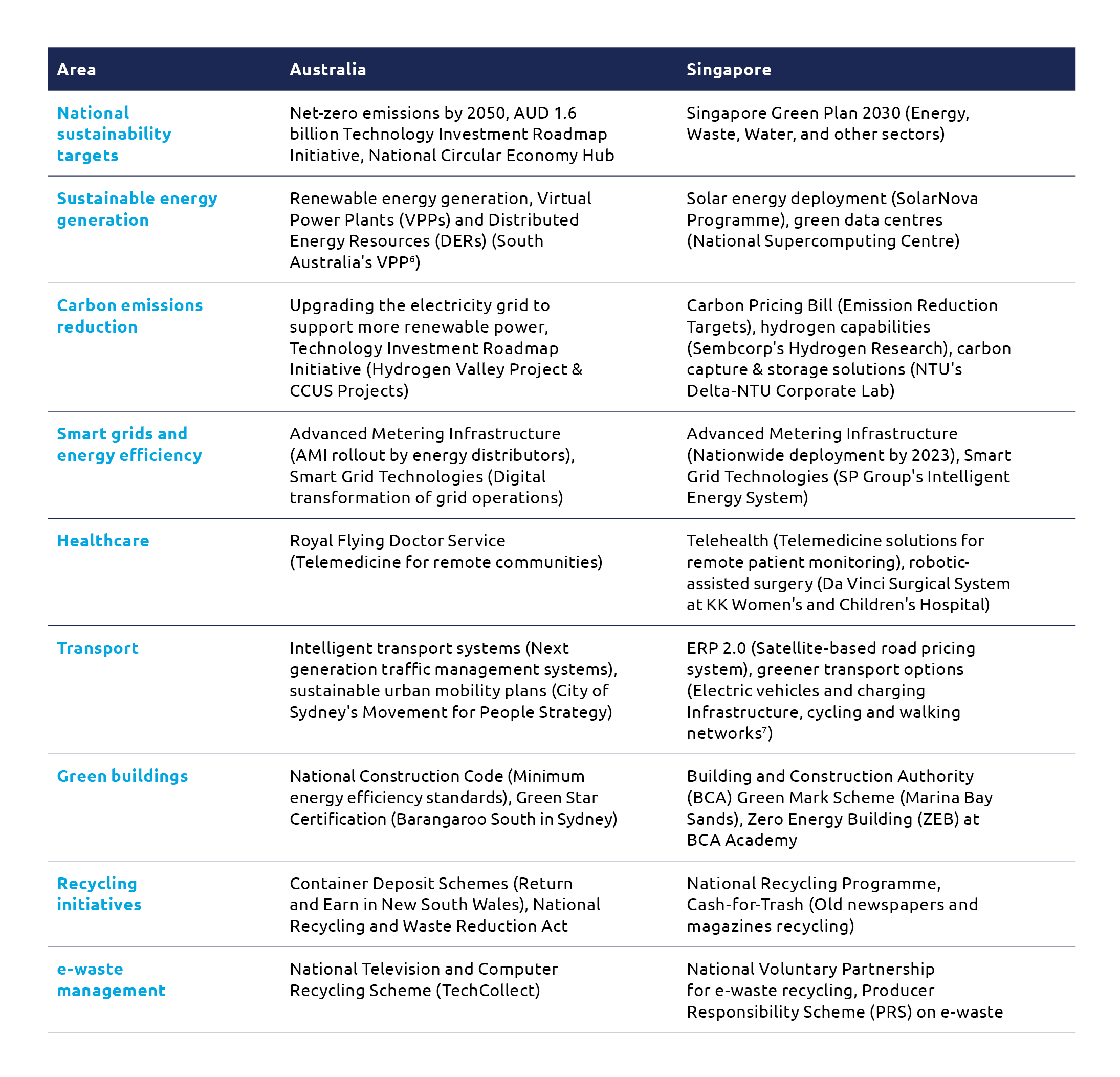
Table 1. Comparative overview of environmental sustainability initiatives and digital transformations in Australia and Singapore
Australia and Singapore have been successful in incorporating digital transformations across multiple sectors to improve energy efficiency, reduce waste, and promote sustainable practices. From sustainable energy generation to biodiversity conservation, both countries have shown progress in implementing innovative solutions to address environmental challenges. By focusing on sectoral-led digital transformations, they are paving the way towards a more sustainable and eco-friendly future.
What are the major sustainability challenges faced by the APAC region?
While APAC has made material progress in addressing climate-related risks, there are still challenges to overcome. Much more needs to be done on the sustainability front, as APAC’s rapid urbanisation and population growth continues relentlessly. The recent disturbing increase in the frequency of natural disaster emergencies, exemplified by the bush fires across Queensland in 2019-2020 (“Black Summer”), and the floodings in east Australia in 2022, underlines the urgent and growing need for sustainable practices and infrastructure to be put in place. Scope 3 emissions and the digital-to-carbon footprint are the two critical areas where additional focus and effort are required by both governments and industry to improve overall sustainability in the APAC region:
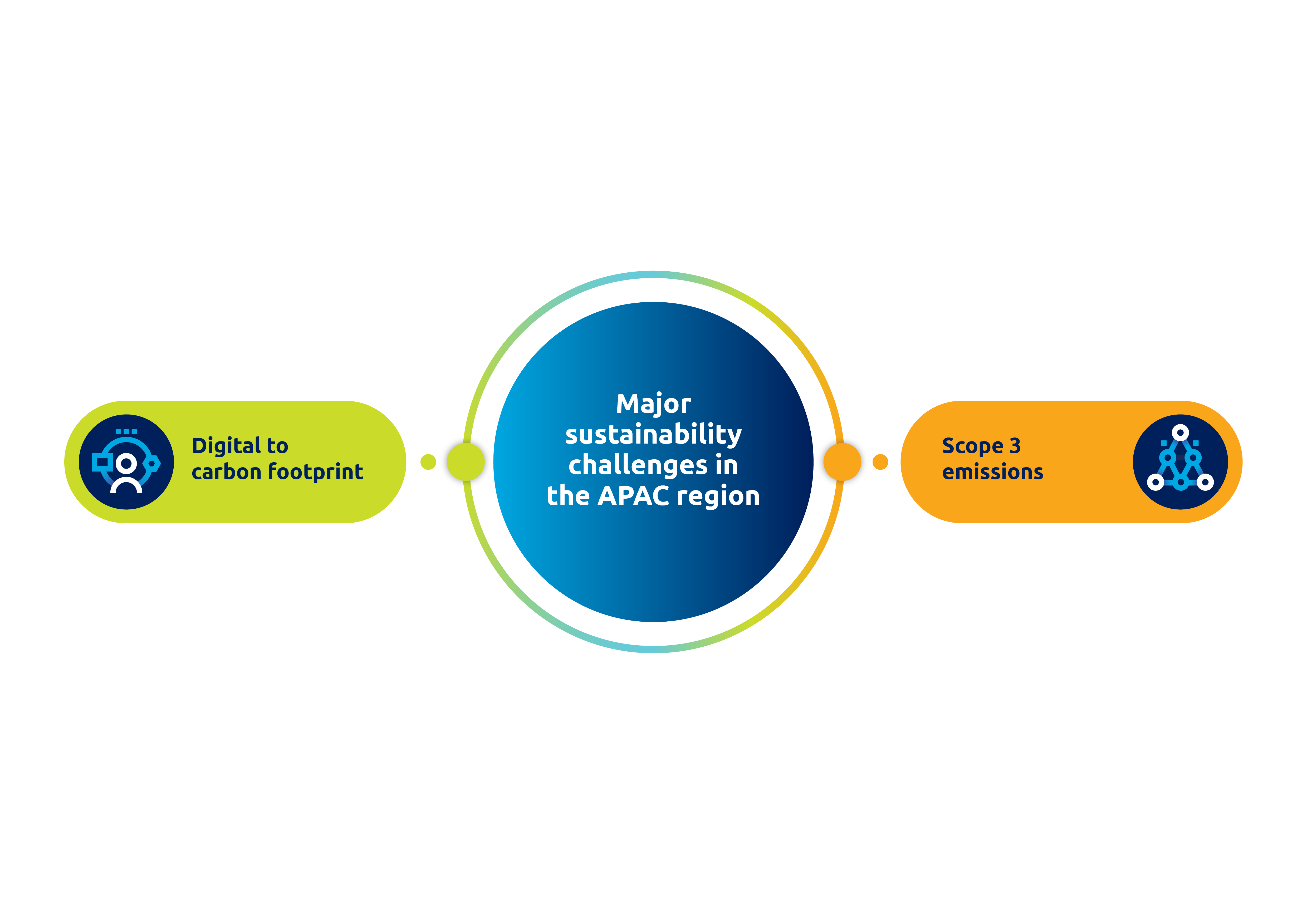
Figure 1. Major sustainability challenges in the APAC region
Measuring and curbing Scope 3 emissions
APAC faces a significant challenge regarding the lack of transparency around Scope 3 emissions. These emissions, also known as indirect emissions, occur throughout a company’s value chain and include those from purchased goods and services, transportation, and waste disposal. It is crucial to address these emissions as they can make up the majority of a company’s carbon footprint, which ultimately contributes to climate change. Unfortunately, many companies in APAC do not report or address their Scope 3 emissions, making it challenging to accurately measure and ultimately reduce the region’s carbon footprint.[6]
According to a report by CDP, a non-profit organisation that works with companies to disclose and manage their environmental impact, only 36% of companies in APAC currently disclose their Scope 3 emissions. In contrast, 56% of companies globally disclose their Scope 3 emissions, highlighting the region’s need for increased transparency and action[7]. While it is positive to see that a large number of the almost 4,000 APAC companies that responded to CDP in 2021 were reporting greenhouse gas (GHG) emissions, the proportion of companies reporting at least one of their Scope 3 emission categories is unfortunately low, at just 4 out of 10. This indicates that most companies are not yet on the best practice climate journey of accounting for their full value chain footprint[8]. The lack of transparency around Scope 3 emissions in APAC can be attributed to several factors, including limited regulatory requirements, and a lack of awareness and understanding of the issue. Many companies may also face difficulties in tracking and measuring their indirect emissions due to the complexity of their value chains and the involvement of multiple suppliers and partners.
However, the importance of addressing Scope 3 emissions cannot be overstated. As the global focus on sustainability intensifies, companies that do not address their indirect emissions may face reputational risks and struggle to compete in a market where sustainability is becoming increasingly important to consumers and investors. It is essential for businesses in APAC to prioritise transparency and accountability around their Scope 3 emissions. This will require setting clear targets and implementing effective measurement and reporting systems. Governments and industry associations also have a role to play in incentivising organisations, regulating sustainable practices, promoting education, and increasing awareness around the importance of addressing Scope 3 emissions.
Managing the digital-to-carbon footprint
While digital transformation presents opportunities for addressing sustainability challenges, it could also lead to higher energy consumption and increased e-waste. In addition, the advent of generative AI threatens to drive energy consumption much higher.
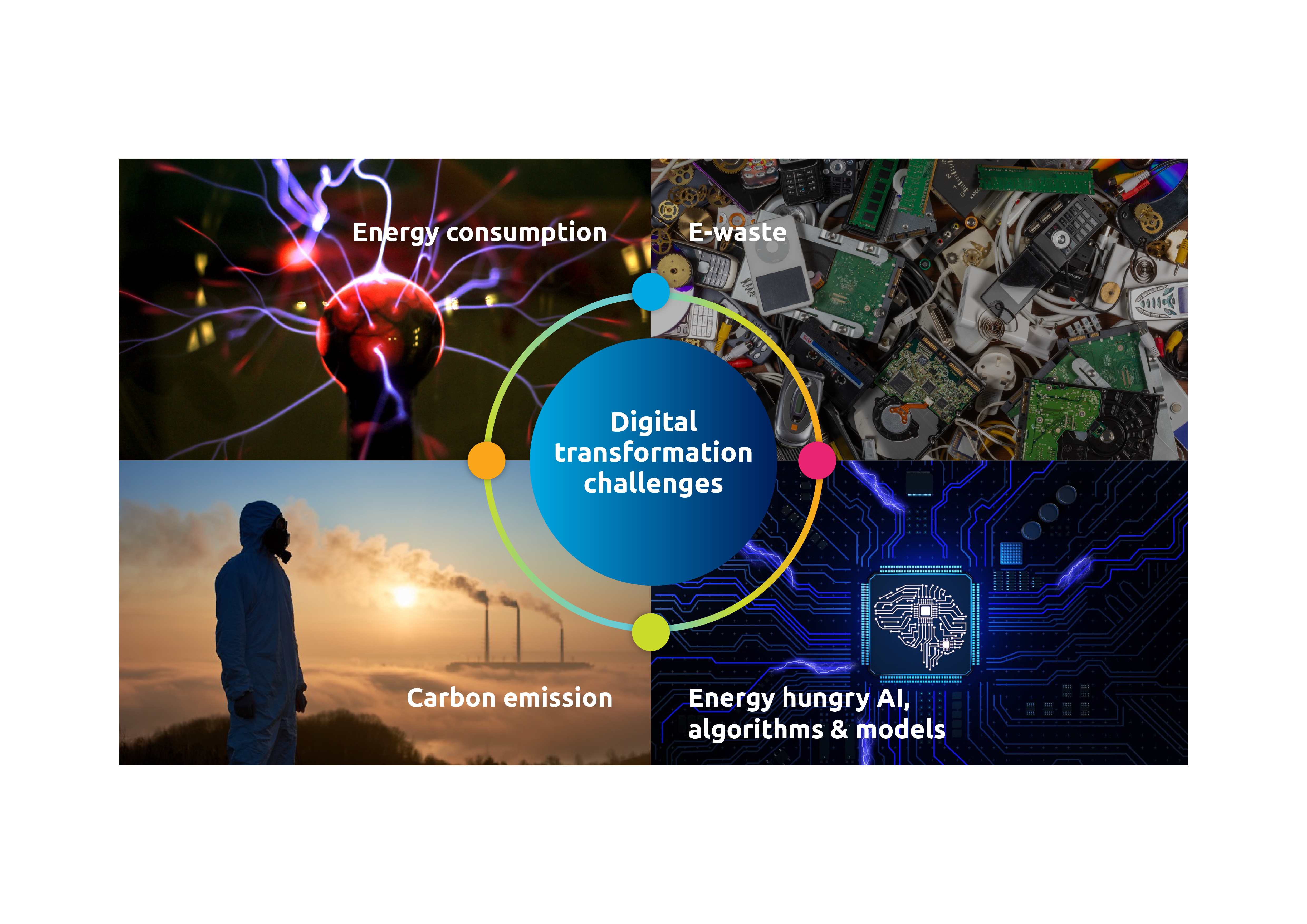
Figure 2. Digital transformation challenges
Energy consumption
Digital transformation brings challenges, including increased energy consumption and carbon emissions from cloud computing and data centres. Despite the numerous benefits, storing data in the cloud has a high energy cost (7 kWh per gigabyte compared with 0.000005 kWh for personal hard disk storage)[9]. According to recent reports, the operational capacity of data centres in APAC has significantly expanded, with a total regional capacity that reached 10.6 GW at the end of 2023 and expected to grow to 26.7 GW by 2028[10]. This growth is largely driven by the increasing demand for digital services and the adoption of cloud computing, AI, and other technologies. In Singapore, the overall data centre supply capacity is expected to grow at a CAGR (compound annual growth rate) of 7.2% from 2021 to 2026 (Figure. 3), leading to a moratorium on new data centres as green technologies are being developed[11].
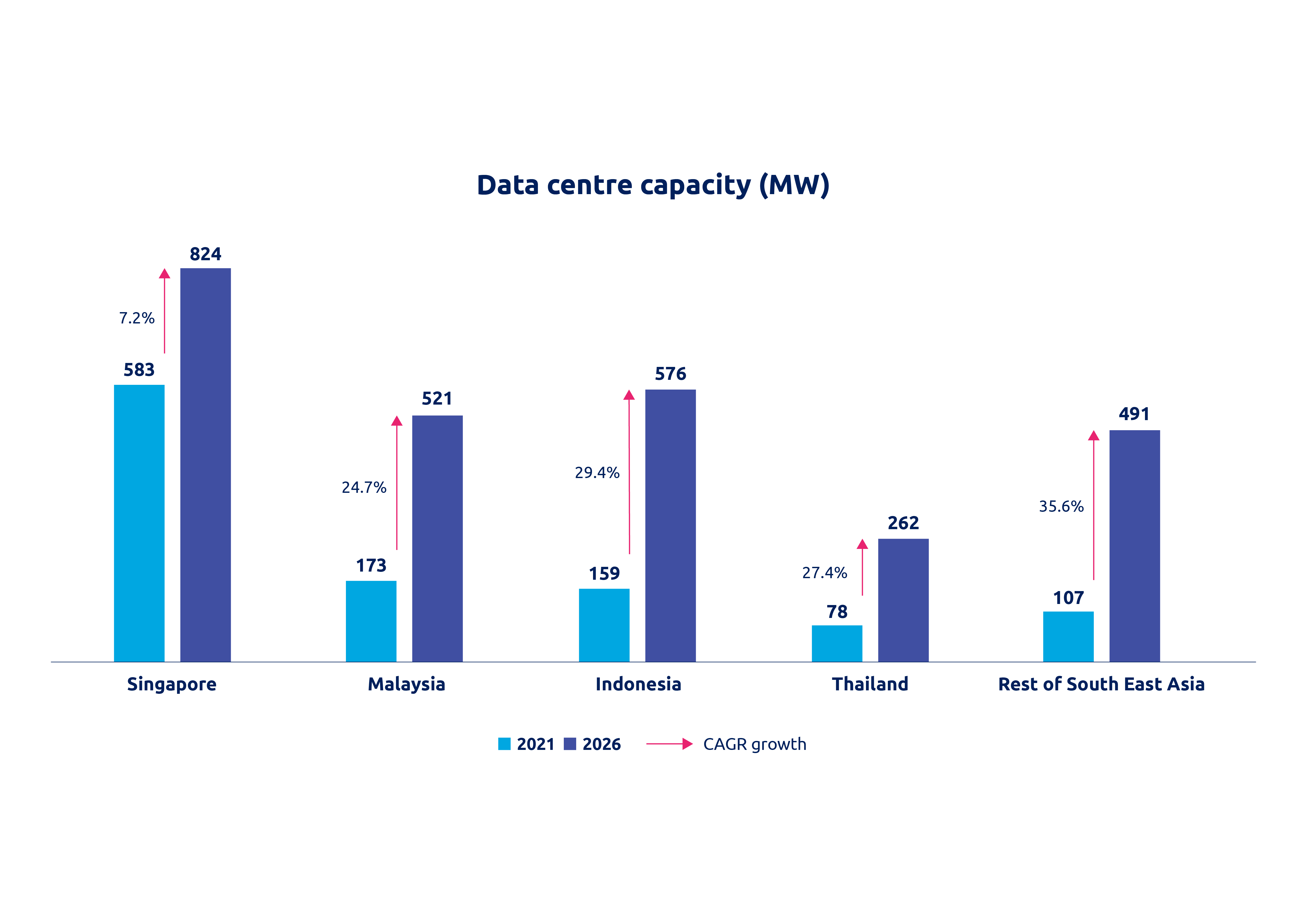
Figure. 3. Overall DC supply capacity projected to grow at CAGR ~19% in Southeast Asia[11]
The growing volume of data and the need for faster processing speeds will contribute to a rise in energy consumption and carbon emissions.
e-waste
Digital transformation has led to a surge in e-waste, a major environmental concern. The rapid production and replacement of electronic devices results in increased waste disposal and data security challenges. Proper e-waste management is vital, especially in the APAC region, where countries like Greater China contribute significantly to global e-waste. As digital device usage grows, and device lifespans shorten, addressing e-waste becomes increasingly crucial.
Energy hungry AI, algorithms and models
The increasing reliance on AI models raises concerns about their environmental impact, especially given the energy consumption and carbon emissions associated with training Large Language Models (LLMs). The Stanford AI Index reported that the training of the GPT-3 model required approximately 1,300 MWh of power, resulting in 502 tons of CO2 emissions. That equates to the lifetime emissions of 8 cars, or the yearly emissions of 109 cars, and the energy required to power a US home for more than 120 years[12]. The solution is not to discontinue ChatGPT, which serves millions of users, but for organisations to adopt a holistic approach to understand the costs, resources, and benefits of their AI models.
Tech-driven strategies that can be used to tackle sustainability challenges and progress towards net-zero goals
Governments, businesses, and individuals must work together to bring about a combination of policy changes, innovative technological implementations, and individual actions. While technology alone is not going to be sufficient in reducing climate-related risks, it can play an outsized contributory role. The fact that many parts of our economies are undergoing digital transformation means that information and communications technology (ICT) does play a crucial role in reducing energy consumption and addressing environmental issues. The use of ICT and ICT-enabled products and services minimises the negative impact and maximises the positive impact of human behaviour on the environment.
At the same time, ICT itself consumes a huge amount of energy, creating a value paradox. Today, the ICT sector contributes to about 2% of national emissions in Singapore, and this is expected to grow to 8% by 2030. Increasing demand for energy-intensive technologies, such as AI and blockchain, could increase ICT industry emissions to 33% of Singapore’s total GHG emissions by 2050[13]. Hence, it is critical that ‘Green by Digital’ efforts be closely aligned with or offset by ‘Green for Digital’ initiatives.
In the following sections, we discuss how businesses can harness emerging technologies to advance their Net Zero aspirations, asking what (more) they could do with ICT to:
◦ Increase the transparency and traceability of supply chains; and
◦ Enhance energy management and sustainability; and
◦ Improve communications with stakeholders to encourage more environmentally conscious choices; and
◦ Leverage green software/AI and green data centres
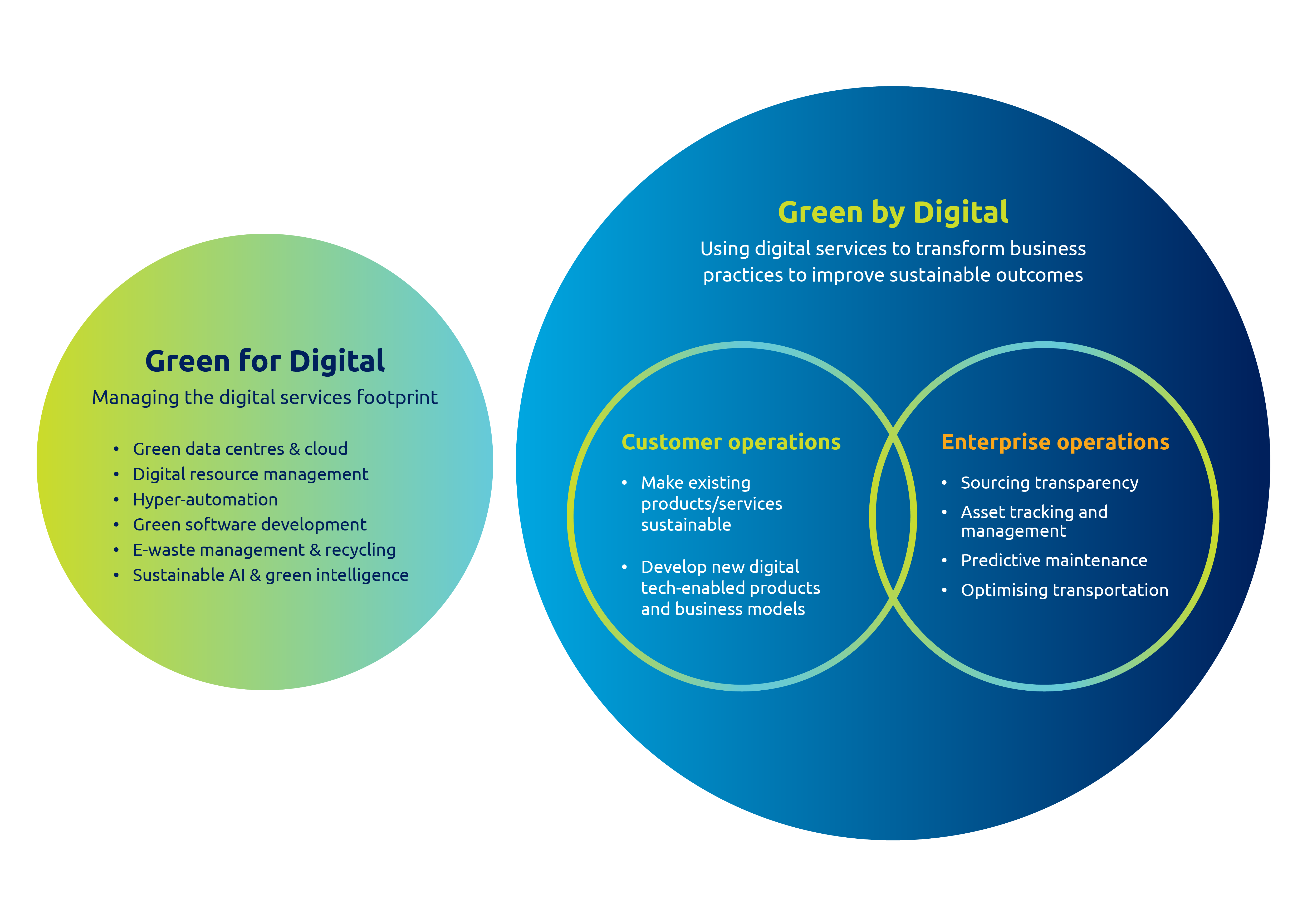
Figure. 4. Digital transformation through Green by Digital and Green for Digital approaches
Increasing transparency and traceability of supply chains
Increasing the transparency and traceability of supply chain management is vital for organisations and governments that aim to achieve ESG goals and is particularly important for Scope 3 emission tracking and reporting. Integrating digital technologies such as AI-optimised supply chain management, ML algorithms, and predictive analytics will contribute to waste reduction, optimised inventory management, and sustainable transportation. Emerging technologies, such as blockchain and IoT, can be used to further advance Net Zero goals by creating transparency and traceability, and the ability to audit sustainable practices throughout a supplier’s sourcing to manufacturing process. Blockchain enhances supply chain authenticity, ethical standards compliance, and streamlines cross-border transactions tracing. Meanwhile, IoT enables real-time tracking and the ability to optimise transportation routes to reduce emissions. Together, these technologies can enhance environmental sustainability and make smart warehousing and efficient asset management possible.
Enhancing energy management and sustainability
Addressing the issue of increasing energy consumption is crucial for developing innovative solutions to manage energy resources effectively. Implementing smart technologies like IoT and AI can provide transparency and traceability in energy usage. Existing solutions, such as the consumer smart app from Singapore’s SP Group (SP App), already incorporate some of these features, and have community engagement as a focus. To further enhance the impact of such solutions, similar apps might include gamifying the experience to foster a stronger sense of community responsibility. Additionally, incorporating an educational component that highlights efficient energy usage best practices can empower users to make more informed decisions about their energy consumption. By building on the foundation of existing smart apps, and integrating advanced IoT and AI technologies, businesses can substantially improve transparency and traceability for better energy management and sustainability. These emerging technologies offer powerful tools for organisations to advance their Net Zero aspirations and contribute to a more environmentally responsible global economy.
Improving communications with stakeholders
Partnership and collaboration among businesses, governments, academia, and civil society are vital for addressing complex sustainability challenges and achieving ESG goals. Digital technologies can facilitate communication, data sharing, and coordination among stakeholders, enhancing the efficiency and effectiveness of sustainability initiatives. Industry-wide sustainability standards can level the playing field and drive progress towards ESG goals.
One of the ways businesses can harness ICT to improve communications with stakeholders and encourage more environmentally conscious choices is by utilising apps and digital platforms. The Breeze app, developed by NCS, promotes green travel by helping users make informed decisions about their transportation choices. The Breeze app not only suggests greener options for travelling from point A to point B, but also calculates the carbon emissions associated with each journey. By providing information on sustainable transport alternatives, as well as comparing and ranking travel options based on their carbon footprints, the app effectively engages stakeholders and influences their decisions towards more sustainable actions. This empowers individuals to actively contribute to reducing their environmental impact and promoting greener travel choices.
Businesses can further improve communications with stakeholders by:
-
Engaging through social media and online forums
-
Implementing AI-driven analytics to tailor sustainability communications
-
Using virtual reality (VR) and augmented reality (AR) to create immersive experiences that foster connections to sustainability goals
-
Developing webinars, podcasts, and e-learning resources for education and thought leadership on ESG topics
-
Establishing open data platforms for real-time access to ESG performance data
By harnessing emerging technologies and ICT, businesses can advance their Net Zero aspirations and foster greater sustainability within industries.
Leveraging green software/AI and green data centres
Advanced AI and generative AI, particularly when developed with a green AI focus, can significantly contribute to achieving Net Zero aspirations by enabling businesses to make informed decisions, streamline operations, and develop innovative solutions that prioritise environmental sustainability. For instance, green AI-driven solutions can not only optimise processes and help organisations make better use of their resources, but also ensure that the energy used to power AI solutions is used efficiently and responsibly. As a result, organisations that implement green AI will experience reduced greenhouse gas emissions as an additional benefit of their AI deployments.
The adoption of green software is equally important for advancing Net Zero aspirations. Green software development methodologies ensure that the software products created and used by businesses have been designed to use resources optimally, consume less energy, and reduce overall environmental impact. By embracing these development and operational practices, businesses can create innovative, high-performing, and environmentally friendly software solutions that advance Net Zero objectives.
Green data centres are not just a trend but a necessity in our increasingly digital world. They play a crucial role in promoting sustainable practices in the ICT industry. Using energy-efficient technologies, such as advanced cooling systems and server designs, helps minimise energy consumption. This is particularly important given that data centres worldwide consume significant electricity and contribute to environmental degradation and climate change. Green data centres often utilise renewable energy sources, such as solar and wind power to reduce their carbon footprints. This is a significant step towards sustainable development, as it not only reduces the reliance on fossil fuels, but also promotes the use of clean and renewable energy. By doing so, these centres are not only saving costs in the long run, but also contributing to the fight against climate change.
In addition, green data centres can significantly reduce e-waste through their use of equipment designed to be more durable and recyclable. This is a crucial aspect of environmental sustainability, as electronic waste is a growing problem worldwide. By prioritising sustainable materials and practices, these centres are leading the way in creating a more sustainable digital economy. Therefore, the importance of green data centres extends beyond energy efficiency. They are at the core of cloud computing and a vital component in the broader push towards environmental sustainability in the digital age.
NCS has been recognised as a leader in cloud professional services (CPS) in the Asia Pacific region according to the IDC MarketScape assessment for 2023-2024 (Figure. 5)[14]. This survey revealed that 67% of enterprises in the region now have significant workload deployments on one or more public clouds, underscoring the growing importance of the cloud in enterprise IT.
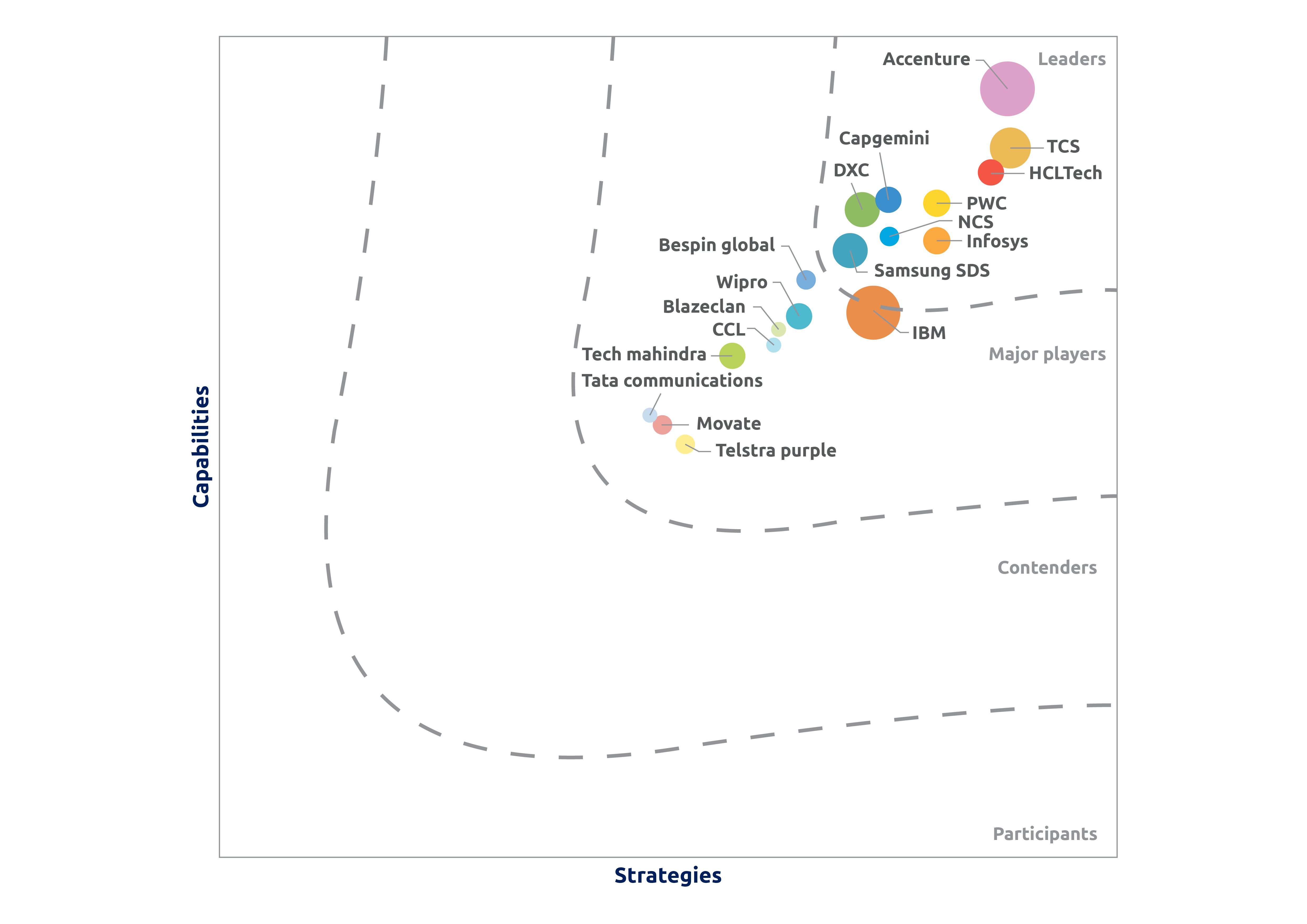
Figure. 5. IDC MarketScape Asia/Pacific cloud professional services 2023-202414
One prime example of harnessing emerging technologies to achieve sustainability goals is NCS’s Bedok Data Centre. The facility leverages green AI algorithms to monitor and analyse real-time information from various sources on energy usage, cooling systems, and carbon emissions. These insights allow for the development of strategies for reducing energy consumption, improving power usage effectiveness (PUE), and minimising the data centre’s environmental footprint. Green software solutions in use at the Bedok Data Centre ensure that processes and operations are optimised, reducing resource wastage, and contributing significantly to the facility's sustainability. The integration of green AI and green software into advanced AI and generative AI technologies is vital for businesses looking to advance their Net Zero aspirations. By adopting these environmentally conscious approaches and embracing a culture of continuous improvement and innovation, NCS’s Bedok Data Centre team has made significant strides towards reducing the centre’s environmental impact and achieving a more sustainable future. The Bedok Data Centre has become more environmentally conscious, without sacrificing performance or reliability, and has become a leader in energy-efficient and sustainable operations. The facility boasts state-of-the-art energy management systems, advanced cooling technologies, and renewable energy sources, ensuring its minimal environmental impact. Through continuous monitoring, optimisation, and simulation, these technologies enable the Bedok Data Centre operators to minimise resource consumption and waste, contributing significantly to the achievement of sustainability objectives. The Bedok Data Centre serves as a powerful example of how organisations can leverage technology to drive positive change and contribute to the global fight against climate change.
Summary and conclusion
As organisations confront climate change challenges, such as the excessive energy demands of AI models and algorithms and the increase in e-waste, they are increasingly turning to digital services for effective and practical solutions. Strategies encompassing "Green for Digital”, and "Green by Digital" have emerged as transformative approaches, enabling organisations to reduce their environmental impact and enhance operational efficiency. These strategies involve sustainable practices like green data centres, e-waste management, hyper-automation, digital resource management, and the use of green AI, green software, green algorithms, and sustainable AI models.
Digital technologies can foster environmental sustainability across industries through digital innovation and strategic partnerships. Organisations can optimise resources, reduce waste, and improve efficiencies by leveraging green AI algorithms, green software, and hyper-automation. Integrating circular economy strategies and effective supply chain management enables a transition towards sustainable and resilient systems.
Beyond environmental impacts, the benefits of sustainable digital practices include financial advantages, such as better operational performance, lower risks, and increased attractiveness to investors. These additional benefits highlight the economic viability of sustainable practices as they can lead to cost savings, increased revenue, and higher return on investment. Moreover, sustainability is essential for both the planet's health and the long-term success of organisations. Public servants, government officials, and private organisation executives should collaborate to share best practices and leverage the latest green technologies to promote sustainable digital practices and ensure a more sustainable future for all. Sustainable business practices can create hundreds of millions of new jobs, increase revenue, save energy, and reduce costs. As sustainability resonates with consumers, adopting sustainable digital practices, including green AI and green software, presents an opportunity to strengthen brand reputation and cater to evolving consumer preferences.
In summary, organisations must embrace sustainable digital practices to achieve environmental, financial, and reputational success. As the world focuses on sustainability, organisations need to integrate "Green for Digital" and "Green by Digital" approaches and solutions into organisational strategy and practices, which are not just beneficial, but essential for long-term prosperity and resilience.
References
[1] PwC. (2022). Net Zero Economy Index: Asia-Pacific's transition. Retrieved from https://www.pwc.com/gx/en/issues/esg/esg-asia-pacific/net-zero-economy-index-asia-pacifics-transition.html
[2] Marshall, C., & Espejo, M. IDC FutureScape: Worldwide Sustainability/ESG 2023 Predictions — Asia/Pacific (Excluding Japan) Implications. International Data Corporation. Retrieved from https://www.idc.com/getdoc.jsp?containerId=AP50052623
[3] Lit Ping Low, Now or never to rein in emissions: Highlights from IPCC third report and implications in Asia Pacific. Retrieved from https://www.pwc.com/gx/en/about/pwc-asia-pacific/ipcc-third-report-perspectives-on-asia-pacific.html
[4] Cone Communications. (2017). 2017 Cone Communications CSR Study. Retrieved from https://www.conecomm.com/research-blog/2017-csr-study
[5] Deloitte. (2020). Deloitte Global Millennial Survey 2020. Retrieved from https://www2.deloitte.com/gr/en/pages/aboutdeloitte/articles/MillennialSurvey2020.html
[6] Government of South Australia. (n.d.). South Australia's Virtual Power Plant. Department for Energy and Mining. Retrieved from https://www.energymining.sa.gov.au/consumers/solar-and-batteries/south-australias-virtual-power-plant
[7] National Climate Change Secretariat. (2021, November 9). Joint Media Release by NCCS, MSE, MTI, MOT, MND and MOE: Good progress made on the Singapore Green Plan 2030 as Government accelerates decarbonisation and sustainability efforts. Retrieved from https://www.nccs.gov.sg/media/press-release/joint-media-release-by-nccs-mse-mti-mot-mnd-and-moe-good-progress-made-on-the-singapore-green-plan-2030-as-government-accelerates-decarbonisation-and-sustainability-efforts/
[8]CDP. (2022). How Companies in Asia Pacific are Preparing for the Net-Zero Economy. Retrieved from https://cdn.cdp.net/cdp-production/cms/reports/documents/000/006/179/original/How_companies_in_Asia_Pacific_are_preparing_for_the_net-zero_economy_EN.pdf?1648712180
[9]Adamson, J. (2017). Carbon and the cloud. Retrieved from https://medium.com/stanford-magazine/carbon-and-the-cloud-d6f481b79dfe.
[10] APAC markets experienced largest data centre growth between 2018-2023 - DC Byte - DCD Retrieved from https://www.datacenterdynamics.com/en/news/apac-markets-experienced-largest-data-center-growth-between-2018-2023-dc-byte/
[11] Bill Chang, CEO of Digital Infrastructure Co, Singtel Investor Day (24 August 2023). Retrieved from https://www.singtel.com/content/dam/singtel/investorRelations/factsheetsAndPresentation/2023/Singtel%20Investor%20Day%202023%20-%20Digital%20InfraCo.pdf
[12] Ghosh, S. (2022, January 4). Report on ChatGPT Model's Emissions Offers Rare Glimpse of AI's Climate Impacts. Truthout. Retrieved from https://truthout.org/articles/report-on-chatgpt-models-emissions-offers-rare-glimpse-of-ais-climate-impacts/
[13] Energising the ICT sector - meet Dr. Ong Chen Hui of Singapore’s IMDA, September 2023. Retrieved from https://greensoftware.foundation/articles/energising-the-ict-sector-meet-dr-ong-chen-hui-of-singapore-s-imda
[14] Cloud Professional Services “Leaders” in 2023 for Asia/Pacific Revealed by IDC, 30 November 2023. Retrieved from https://www.idc.com/getdoc.jsp?containerId=prAP51432123