Published: May 09, 2025
Green cloud computing and its role in sustainable AI
Executive summary
This article delves into the pivotal role of green cloud computing in attaining sustainability goals by emphasising the importance of green data centres, eco-friendly computer resource usage, decreasing carbon emissions, and the need for redesigning modern networking. Additionally, it provides an overview of the current state and benefits of green cloud computing, addressing environmental concerns, challenges, and future research directions. The article aims to inspire and guide stakeholders, policymakers, and researchers in their pursuit of more sustainable AI and cloud computing technologies.
Introduction
Before delving into the world of green cloud computing, it's essential to understand the environmental challenges posed by traditional data centres. These facilities are power-hungry giants that consume vast amounts of electricity and are responsible for substantial carbon emissions. The environmental impact is significant, given the growing demand for data storage and processing.
The cloud has emerged as a game-changing solution to these challenges. Cloud computing involves the use of remote servers, which are typically more energy-efficient and eco-friendly than traditional data centres. Over the past decade, cloud computing has become a major technological breakthrough, transforming the way organisations operate[1]. Cloud computing allows companies to obtain computing resources, software, and applications over the Internet on an as-needed basis, eliminating the need for expensive hardware and software investments[2]. By migrating to the cloud, businesses can reduce their carbon emissions, energy consumption, and the physical space required for on-premises servers. Cloud computing has been widely adopted by a wide range of organisations, from large corporations to small and medium-sized enterprises (SMEs)[3].
NCS is a recognised leader in cloud professional services (CPS) in the Asia Pacific region according to the IDC MarketScape assessment for 2023-2024 (Figure 1)[4]. This survey revealed that 67% of enterprises in the region now have significant workload deployments on one or more public clouds, underscoring the growing importance of cloud to Enterprise IT. However, the same survey also revealed that enterprises in the region face critical challenges in their cloud journeys, including a failure to meet their desired performance and operational objectives, hybrid estate complexity, an inability to control costs, and a lack of necessary cloud-related skills, among others. This suggests that there is a lot of value that capable and experienced cloud professional services providers can bring to the cloud-centric migration and modernisation initiatives of enterprises[4].
The increase in the popularity of cloud technology was due to the benefits it brings to individual consumers and companies. These benefits include flexibility, better disaster recovery, reduced need for investment in ICT resources, optimised collaboration between members of an organisation, and automatic software updates. Cloud computing is attractive to business owners based on its ability to dynamically increase the IT resources available to meet increases in the company’s activities and needs.
To meet the increasing demand for computing resources, cloud computing is continuously evolving to provide client companies with well-utilised options such as Software as a Service (SaaS), Platform as a Service (PaaS), Infrastructure as a Service (IaaS), and Container as a Service (CaaS)[5]. These services enable customers to buy specific resources, pay only for their usage, and scale their services on-demand with pay-per-use models.
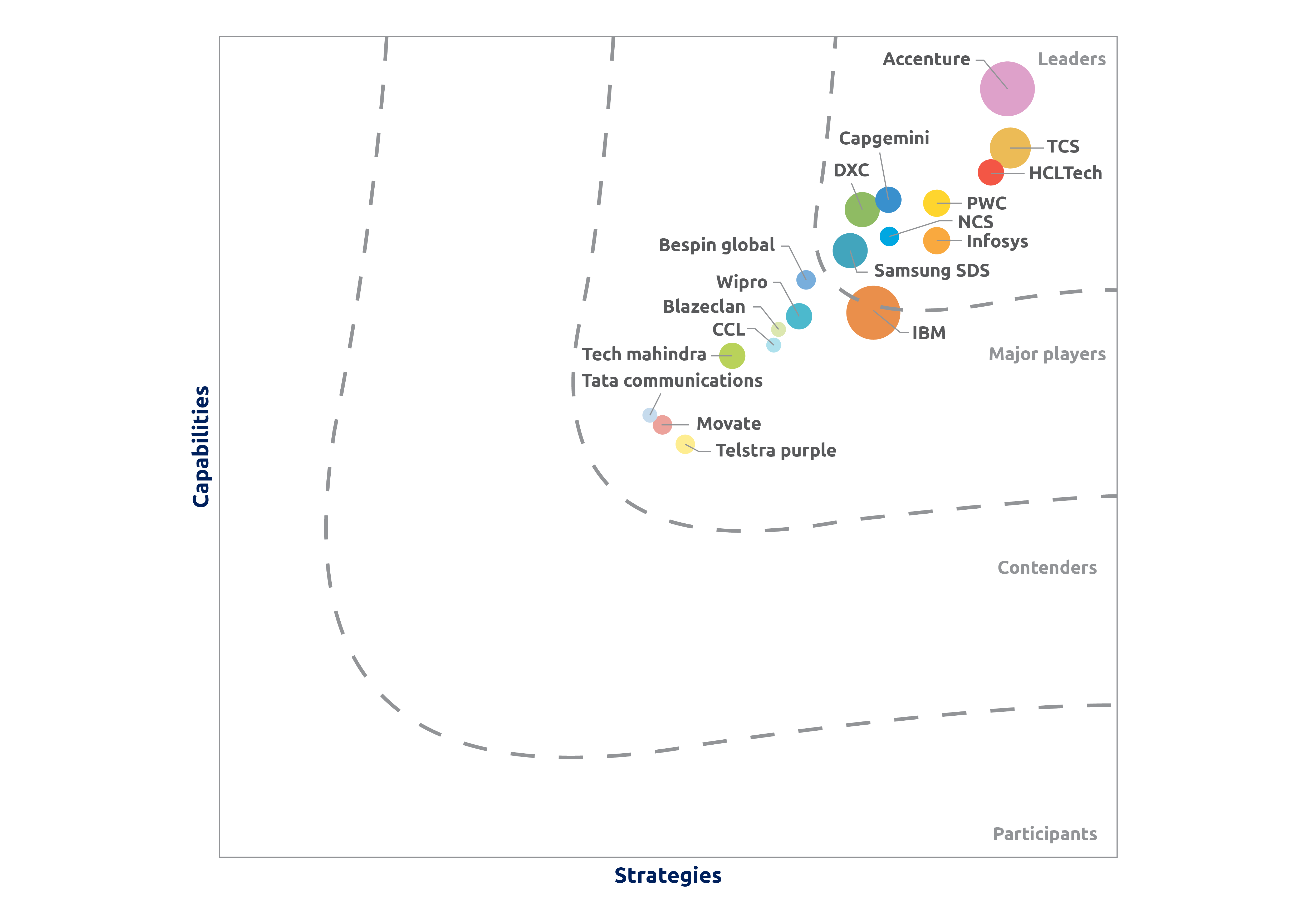
Figure 1. IDC MarketScape Asia/Pacific cloud professional services 2023-20244
Organisations are expected to employ efficient and innovative technologies to maintain optimal levels of productivity within their ecosystems[6]. Cloud computing offers a cost-effective and flexible solution to achieve these objectives by providing access to IT resources[7]-[8]. The cloud computing market keeps expanding to achieve automation, streamline operations, reduce costs, and foster business growth.
A survey by Gartner found that 81% of organisations have adopted a multi-cloud IT strategy to use advanced capabilities across clouds, a number that is expected to increase and that confirms that shift towards digitalisation is a competitive imperative[9]. As illustrated in Figure 2, use of cloud computing technologies is expected to increase at an impressive compound annual growth rate (CAGR) through the year 2028[10]. This anticipated growth reflects the ongoing emphasis on integrating advanced technologies to enhance operational efficiency and support business expansion. Additionally, there has been a growing emphasis on sustainable growth in the business world[11]. Organisations are increasingly striving to integrate sustainability into their operations and focusing not just on economic performance, but also on social and environmental factors[12]-[13]. The emergence of cutting-edge technologies, such as cloud computing services, has accelerated this shift. To achieve a balance between economic and operational performance, organisations must improve their capabilities and promote sustainable performance[14]. This is where the concept of green cloud computing comes into the picture. Green cloud computing is a concept that merges the power of cloud technology with eco-conscious initiatives. This innovative approach not only streamlines operations but also contributes to a greener, more sustainable future.
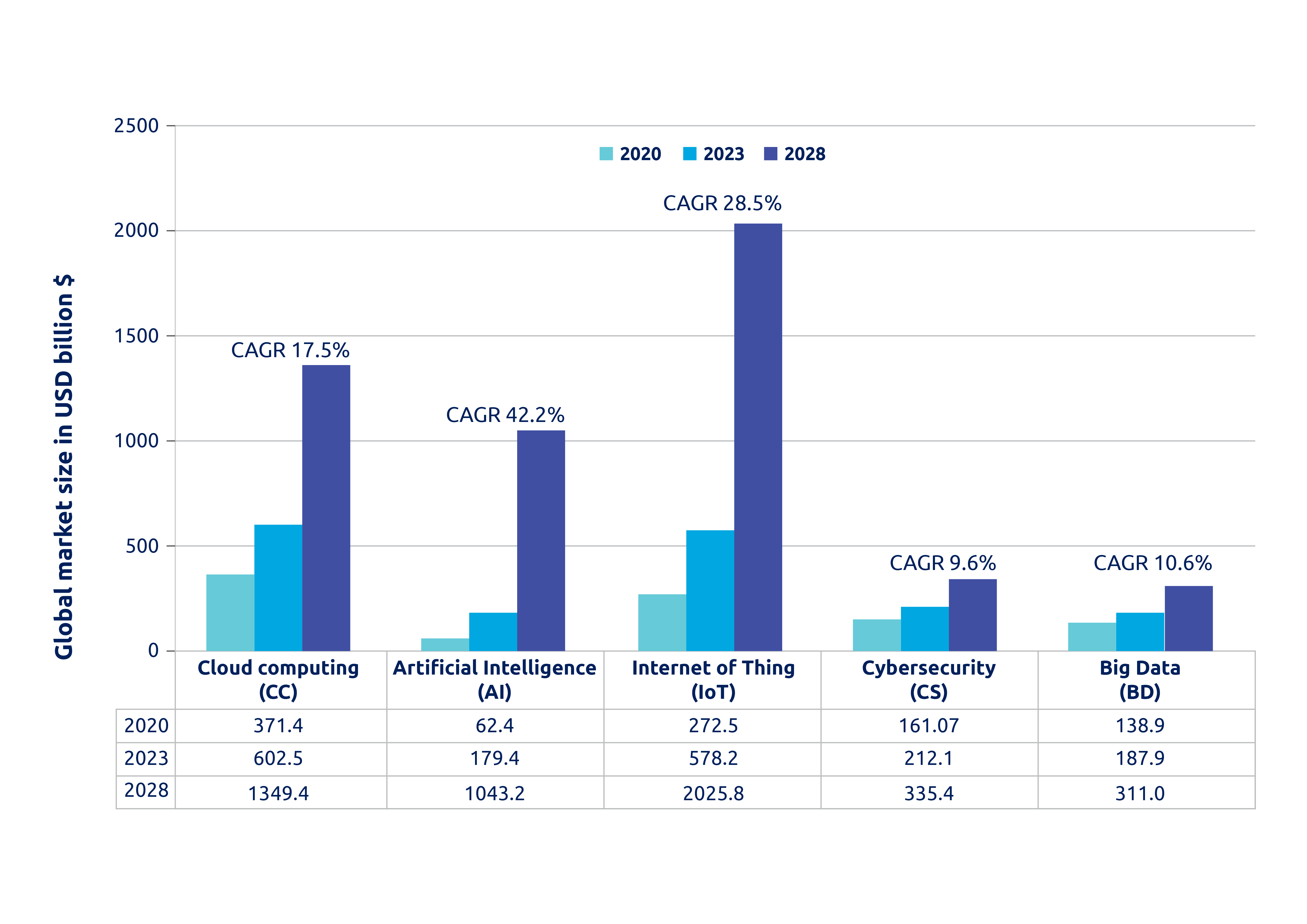
Figure 2. Forecasted CAGR growth of IT sector over the next five years10.
Interest in studying the influence of cloud computing on the environment is rising as the computing community becomes more aware of green computing. That focus is being driven by estimates that show that the ICT sector is currently responsible for approximately 4% of global CO2 emissions[15], and that percentage could reach 14% by 2040, with data centres contributing to almost half of this growth[15].
The development of green cloud computing is closely related to the evolution of green data centres because data centres are at the core of cloud computing. The interest in green cloud computing and green data centres is evident in the future strategies of leading providers such as Singapore’s Singtel. The design, build, and operation of green and sustainable infrastructure such as green data centres is a key pillar of Singtel’s vision (Figure 3)[16].
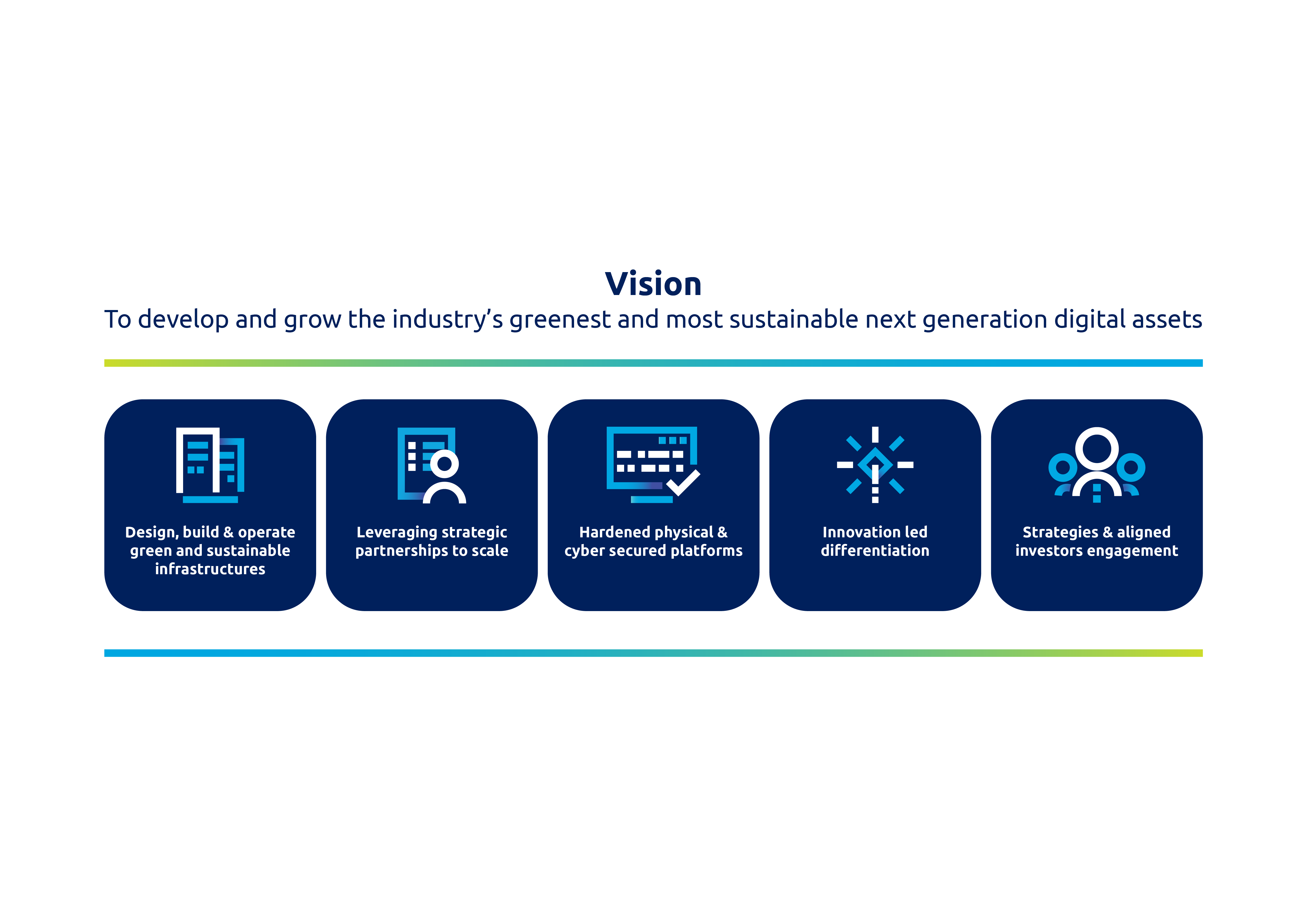
Figure 3. Singtel’s vision on the development of sustainable next generation digital assets16
Singtel is scaling its regional data centre business, having gained a foothold in new markets beyond Singapore, including Indonesia and Thailand, where it is building a new generation of green, sustainable, and hyper-connected AI-ready data centres. Recently, Singtel also launched its new green and sustainable data centre brand, Nxera, to accelerate the company’s journey to net-zero emissions[17]. Figure 4 shows Singtel’s different strategies to develop energy efficient green data centres across the region[18].
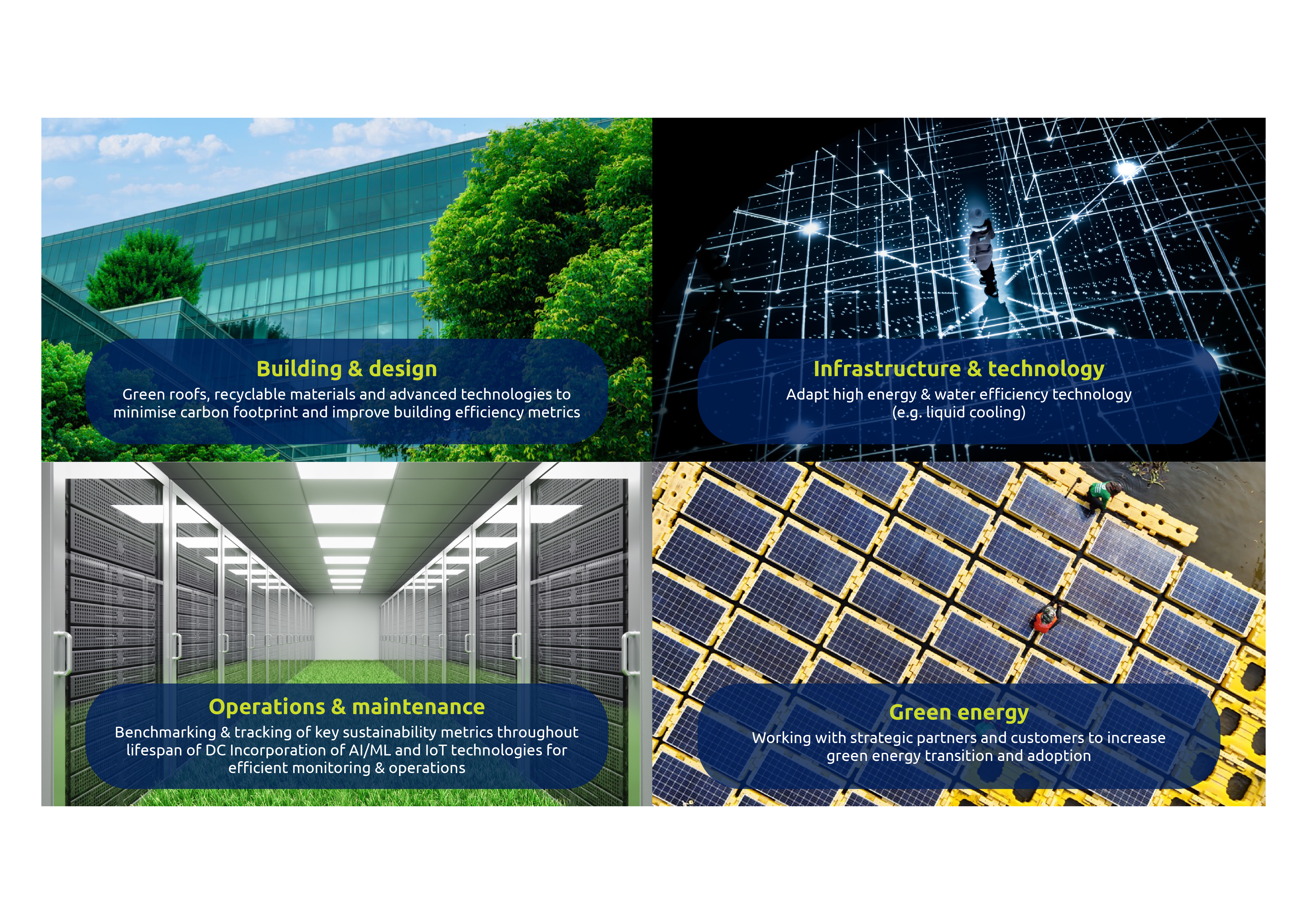
Figure 4. Singtel’s different strategies to develop energy efficient green data centres across the region16.
Green data centres-where energy efficiency is maximised and CO2 emissions and e-waste are minimised, not only for ICT equipment, but across all environmental factors (building, lightning, cooling, etc.) are the basis for current and future green cloud computing. Green computing is not limited to minimising the energy consumption of computer devices. It also concerns the energy consumption of networks and cooling equipment and other environmental issues, such as CO2 emissions, waste management (e-waste), and the overall consumption of natural resources.
Today, we need green technology to solve energy and performance trade-offs. Proper distribution of workloads, and the maintenance of performance by providing access to services anywhere, anytime to users, is one of the cloud’s prime objectives. A key challenge for cloud service providers in balancing energy conservation with the performance guarantees that usually form a part of their service level agreements (SLA) with client companies. [18] Minimising energy usage may cause breaches of Service Level Agreements (SLA) and result in penalties to cloud service providers, and thus we should avoid any SLA violations when considering energy-efficiency systems[18].
The pillars of green cloud computing
Green cloud computing focuses on integrating sustainability throughout the design, implementation, and operation of cloud infrastructure. The following key pillars underpin this approach (Figure 5):
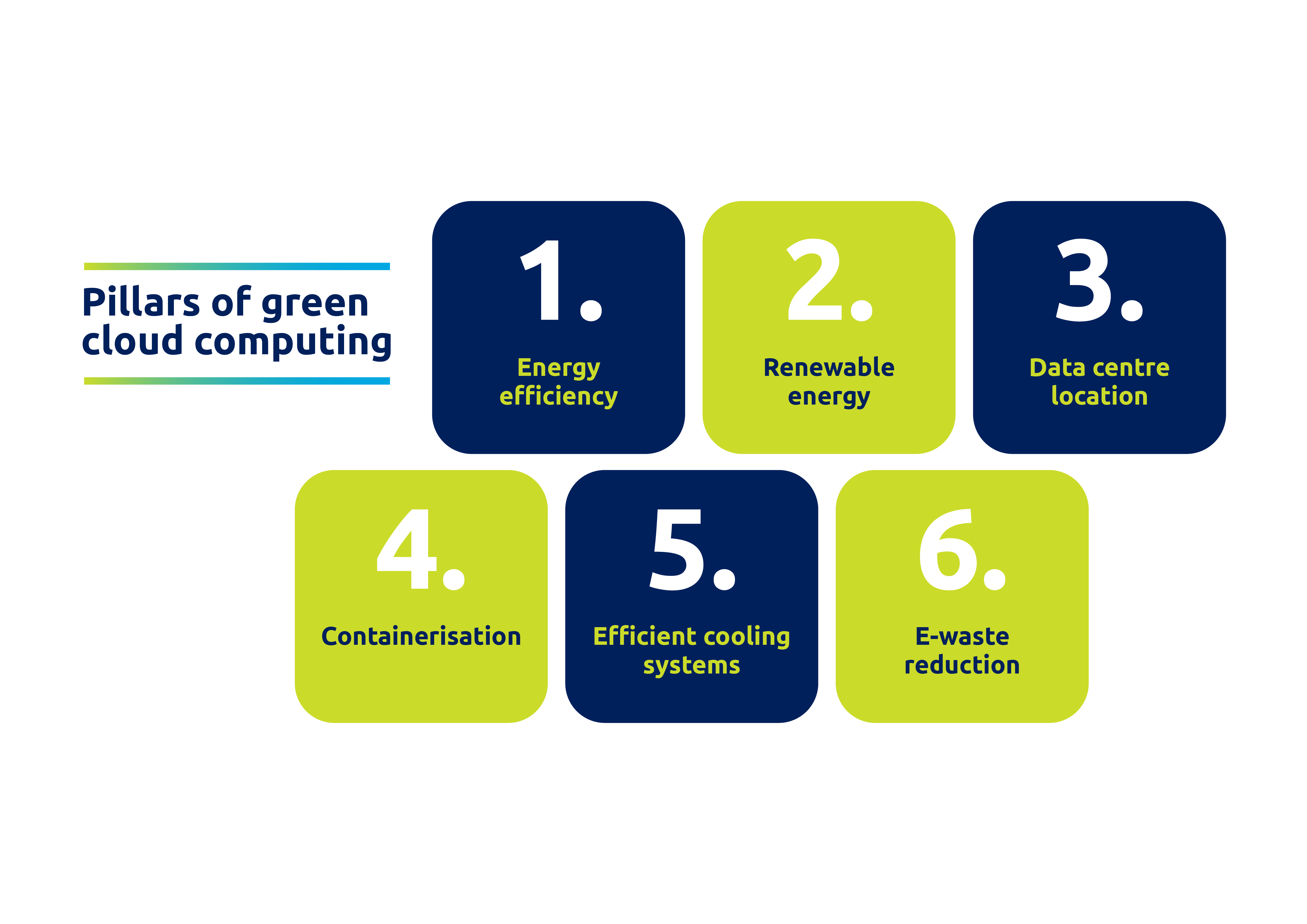
Figure 5. The pillars of green cloud computing.
-
Energy efficiency:
A core principle of green cloud computing is prioritising energy-efficient data centres and servers. Facilities are optimised to minimise power usage and waste, resulting in significant energy savings and improved resource utilisation. -
Renewable energy:
Central to green cloud computing is the use of renewable energy sources such as solar and wind power. By leveraging these clean energy options, cloud providers can decrease their dependence on fossil fuels and reduce their overall carbon footprints. -
Data centre location:
The geographic location of data centres plays a crucial role in their sustainability. Situating data centres in regions with access to renewable energy sources allows cloud providers to further enhance their eco-friendly operations. -
Containerisation:
Traditional data centres can be highly power-intensive. However, the adoption of virtualisation and containerisation technologies can help mitigate this issue by decreasing energy consumption. Virtual machines and containers enable hardware to be sub-divided into multiple segments, allowing various operating systems or applications to run on a single server. This configuration minimises the number of servers needed, while maximising resource utilisation, leading to reduced energy usage. Utilising container services such as Kubernetes to run compute workloads on-demand allows for flexible scaling up and down without the need to maintain maximum hardware capacity for occasional peak usage or traffic. This approach lowers overall power consumption and contributes to a reduced carbon footprint for workloads on the cloud. -
Efficient cooling systems:
Data centres generally require extensive cooling systems to maintain appropriate operating temperatures. Green cloud computing emphasises the implementation of more efficient cooling mechanisms to lower overall energy demand. -
E-waste reduction:
Ensuring responsible disposal and recycling of electronic waste (e-waste) is essential for sustainability. Green cloud computing requires the recycling or disposal of outdated equipment in an environmentally conscious manner to minimise adverse ecological impacts.
Importance and benefits of green cloud computing
Sustainability in cloud computing refers to the adoption of environmentally sustainable practices in the design, deployment, and management of cloud computing systems[19]. Although cloud computing provides numerous advantages, including enhanced efficiency, scalability, and reduced costs, it also has substantial environmental impacts, such as energy usage, carbon emissions, and e-waste generation.[20-22]It is crucial to prioritise sustainability in the domain of cloud computing for multiple reasons:
-
Environmental impact: Cloud computing has a significant environmental impact due to the energy consumption, carbon emissions, and e-waste generated by data centres. By promoting sustainability in cloud computing, we can reduce these negative impacts and contribute to a more sustainable future21
-
Resource efficiency: Sustainability in cloud computing promotes efficiency by optimising the use of shared computing resources. This can result in lower energy consumption, reduced carbon emissions, and less e-waste[20]-[21]
-
Cost savings: Sustainable practices in cloud computing can result in cost savings for cloud providers and end-users. For example, energy-efficient hardware and cooling systems can reduce energy consumption and lower operating costs, while recycling and reusing hardware can limit e-waste and lower replacement costs[20]
-
Social responsibility: Promoting sustainability in cloud computing is a social responsibility for cloud providers and demonstrates their commitment to reducing their environmental impact and contributing to a more sustainable future. These efforts can also improve their reputations and brand images among environmentally conscious customers[22]
-
Regulatory compliance: Many countries and regions have regulations and standards related to environmental sustainability. Green cloud computing helps companies stay in compliance with these evolving standards and avoid potential legal or financial penalties[20]
-
Scalability: Cloud solutions, especially those with green features, offer scalable resources that can be adapted to meet a company's changing needs. This flexibility supports growth without massive increases in environmental impact.
Sustainability is important in cloud computing because it can help to reduce negative environmental impacts, promote resource efficiency, generate cost savings, demonstrate social responsibility, and aid in compliance with regulatory requirements.
Challenges and future outlook
Green cloud computing and other energy-efficient technologies can play a crucial role in reducing the global carbon footprint and creating a more sustainable world. Although many argue that technological advancements contribute to environmental degradation, cloud computing can serve as a solution to address ecological challenges. Green cloud computing enables organisations to achieve a positive bottom line, boost employee efficiency, reinvent business processes, and promote a sustainable environment.
Nevertheless, cloud computing comes with its share of challenges, including internet dependency, data security and privacy concerns, and sometimes, a costly entry barrier. Despite these issues, green cloud computing's advantages far outweigh those of traditional technology, leading to net benefits and better environmental impacts for consumers and businesses.
As an increasing number of customers and companies prioritise environmentally conscious decisions, it becomes essential to recognise the importance of green cloud computing. Data centre providers have accelerated efforts to mitigate their climate impact with energy-efficient cooling systems and AI optimisation, which will continue to improve with technological innovation. Governments can develop policies that incentivise the production and the availability of renewable energy, including through the facilitation of cross border energy trade to power data centres. Policymakers can further raise standards to encourage greener data centres by setting interoperable standards for Power Usage Effectiveness (PUE) and by pushing for green building certification.
The future of green cloud computing appears promising. With heightened awareness of environmental concerns, businesses and cloud providers will likely invest more in sustainable practices. Furthermore, innovations such as liquid cooling systems and Edge computing will contribute to enhanced energy efficiency and the development of cutting-edge technology.
Green cloud computing is not merely a passing trend; it's an essential component for achieving a sustainable future. By adopting environmentally responsible cloud solutions, businesses can diminish their ecological footprint while enjoying economic and operational advantages. The road to a greener, more sustainable, future is in sight and green cloud computing is paving the way.
References
[1] Y.A. Qasem, R. Abdullah, Y. Yah, R. Atan, M.A. Al-Sharafi, M. Al-Emran, Towards the development of a comprehensive theoretical model for examining the cloud computing adoption at the organisational level, in: Recent Adv. Intell. Syst. Smart Appl., Springer, 2021, pp. 63–74.
[2] L. Tobarra, J.M. Haut, R. Hernandez, R. Pastor-Vargas, A. Robles-Gomez, Analysing the users’ acceptance of an IoT cloud platform using the UTAUT/TAM model, IEEE Access 9 (2021) 150004–150020, https://doi.org/10.1109/ACCESS.2021.3125497.
[3] J.P. Shetty, R. Panda, An overview of cloud computing in SMEs, J. Glob. Entrep. Res. 11 (2021) 175–188, https://doi.org/10.1007/S40497-021-00273-2.
[4] CLOUD PROFESSIONAL SERVICES “LEADERS” IN 2023 FOR ASIA/PACIFIC REVEALED BY IDC, 30 NOVEMBER 2023, HTTPS://WWW.IDC.COM/GETDOC.JSP?CONTAINERID=PRAP51432123
[5] ABDULSALAM, S.; LAKOMSKI, D.; GU, Q.; JIN, T.; ZONG, Z. PROGRAM ENERGY EFFICIENCY: THE IMPACT OF LANGUAGE, COMPILER AND IMPLEMENTATION HOICES. IN PROCEEDINGS OF THE INTERNATIONAL GREEN COMPUTING CONFERENCE, DALLAS, TX, USA, 3–5 NOVEMBER 2014; PP. 1–6.
[6] R. EL-HADDADEH, M. OSMANI, N. HINDI, A. FADLALLA, VALUE CREATION FOR REALISING THE SUSTAINABLE DEVELOPMENT GOALS: FOSTERING ORGANISATIONAL ADOPTION OF BIG DATA ANALYTICS, J. BUS. RES. 131 (2021) 402–410, HTTPS://DOI.ORG/10.1016/J.JBUSRES.2020.10.066.
[7] Y.A.M. Qasem, S. Asadi, R. Abdullah, Y. Yah, R. Atan, M.A. Al-Sharafi, A.A. Yassin, A multi-analytical approach to predict the determinants of cloud computing adoption in higher education institutions, Appl. Sci. 10 (2020) 4905, https://doi.org/10.3390/app10144905.
[8] M.A. Al-Sharafi, R.A. Arshah, E.A. Abu-Shanab, Questionnaire development process to measure the SMEs’ continuous use behaviour towards cloud computing services, ACM Int. Conf. Proceeding Ser. (2019) 50–55, https://doi.org/10.1145/3316615.3316723.
[9] Gartner. Accelerating Shift to the Cloud Means the Market Opportunity for Providers is Narrowing Available online: https://www.gartner.com/en/newsroom/press-releases/2022-02-09-gartner-says-more-than-half-of-enterprise-it-spending (accessed on 21 January 2024).
[10] Yenugula, M.; Goswami, S.S.; Kaliappan, S.; Saravanakumar, R.; Alasiry, A.; Marzougui, M.; AlMohimeed, A.; Elaraby, A. Analysing the Critical Parameters for Implementing Sustainable AI Cloud System in an IT Industry Using AHP-ISM-MICMAC Integrated Hybrid MCDM Model. Mathematics 2023, 11, 3367. https://doi.org/10.3390/math11153367
[11] K. Domdouzis, Sustainable cloud computing, in: C. Pattinson, B. Akhgar (Eds.), Green Inf. Technol., Morgan Kaufmann, Boston, 2015, pp. 95–110, https://doi. org/10.1016/b978-0-12-801379-3.00006-1.
[12] O. Yavuz, M.M. Uner, F. Okumus, O.M. Karatepe, Industry 4.0 technologies, sustainable operations practices and their impacts on sustainable performance, J. Clean. Prod. 387 (2023), 135951, https://doi.org/10.1016/J.JCLEPRO.2023.135951.
[13] S. Gupta, R. Meissonier, V.A. Drave, D. Roubaud, Examining the impact of Cloud ERP on sustainable performance: a dynamic capability view, Int. J. Inf. Manag. 51 (2020), 102028, https://doi.org/10.1016/J.IJINFOMGT.2019.10.013.
[14] S.U. Rehman, H. Elrehail, D. Alshwayat, B. Ibrahim, R. Alami, Linking hotel environmental management initiatives and sustainable hotel performance through employees’ eco-friendly behaviour and environmental strategies: a moderated-mediated model, Eur. Bus. Rev. 35 (2023) 184–201, https://doi.org/10.1108/ EBR-05-2022-0094/FULL/PDF.
[15] Simoes, G. Climate crisis and the technology sector, https://ciandt.com/ca/en-ca/article/climate-crisis-and-technology-sector#:~:text=Current%20estimates%20show%20that%20the,emissions%20of%20the%20aviation%20sector.
[16] Bill Chang, CEO of Digital Infrastructure Co, Singtel Investor Day (24 August 2023), https://www.singtel.com/content/dam/singtel/investorRelations/factsheetsAndPresentation/2023/Singtel%20Investor%20Day%202023%20-%20Digital%20InfraCo.pdf
[17] Singtel advances AI development in Singapore and the region with strategic partners https://www.singtel.com/about-us/media-centre/news-releases/singtel-advances-ai-development-in-singapore-and-the-region-with
[18] Kitchenham, B.; Brereton, O.P.; Budgen, D.; Turner, M.; Bailey, J.; Linkman, S. Systematic literature reviews in software engineering—A systematic literature review. Inf. Softw. Technol. 2009, 51, 7–15.
[19] Kumar, R.; Khan, F.; Kadry, S.; Rho, S. A Survey on blockchain for industrial Internet of Things. Alex. Eng. J. 2021, 61, 6001–6022.
[20] Sharma, R.; Villányi, B. A sustainable Ethereum merge-based Big-Data gathering and dissemination in IIoT System. Alex. Eng. J. 2023, 69, 109–119.
[21] Goswami, S.S.; Mohanty, S.K.; Behera, D.K. Selection of a green renewable energy source in India with the help of MEREC integrated PIV MCDM tool. Mater. Today: Proc. 2022, 52, 1153–1160.
[22] Wang, L.; Wang, Y. Supply chain financial service management system based on block chain IoT data sharing and edge computing. Alex. Eng. J. 2021, 61, 147–158.